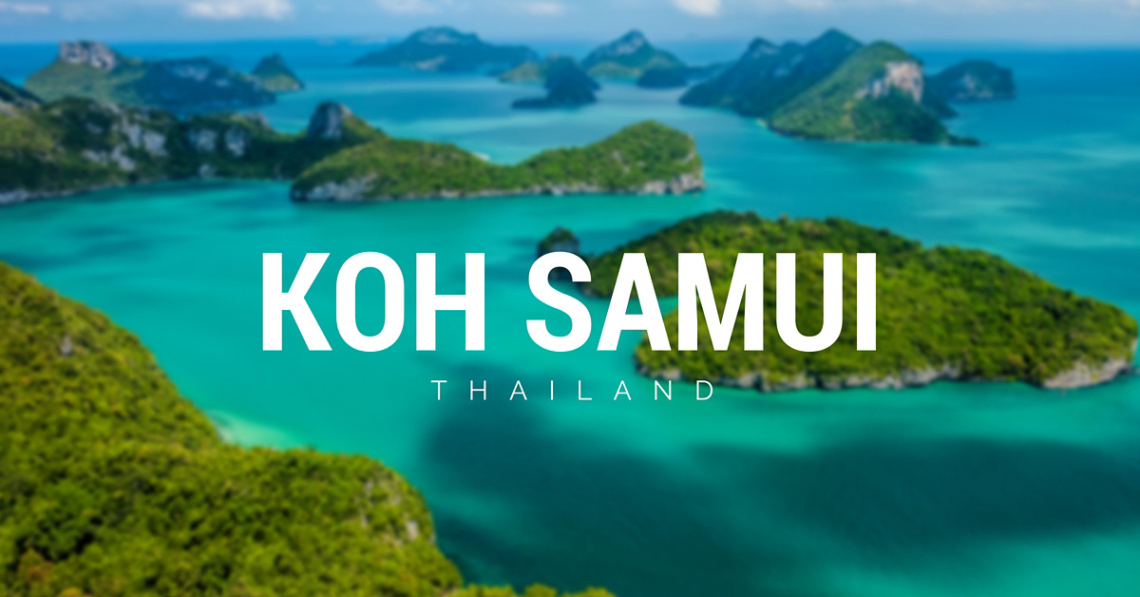
Genbesøg på Koh-Samui i Thailand
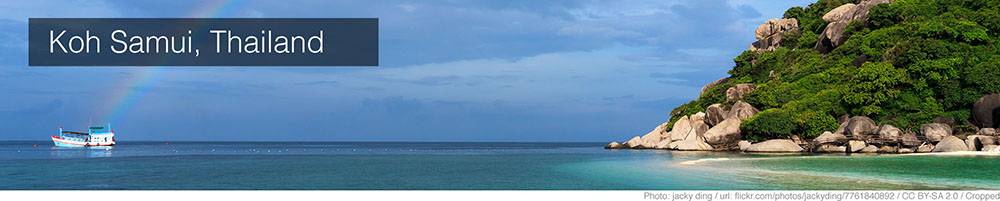
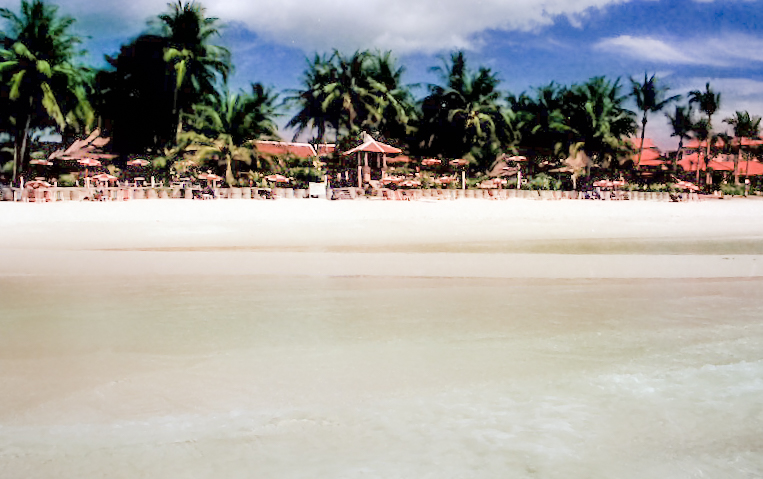
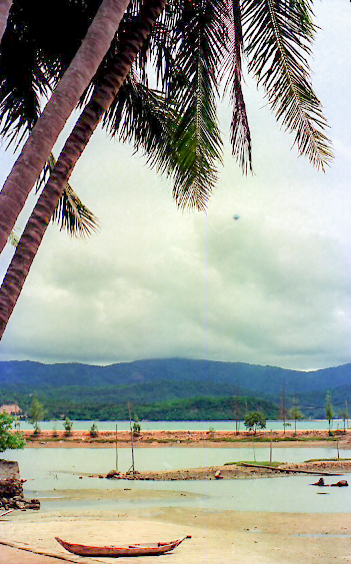
Koh Samui var det første sted vi besøgte i Thailand kort efter, at vi var ankommet til Malaysia i 1989.
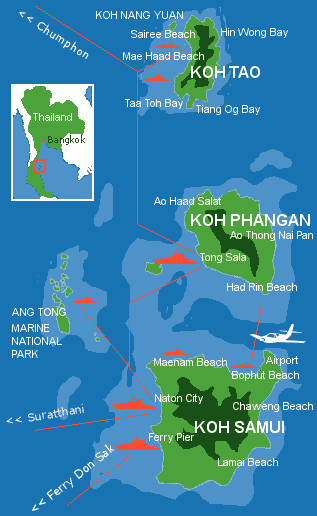
Nu genbesøger vi den smukke ø nogle dage, hvor der også blev tid til en overnatning på naboøen Koh Phangan.
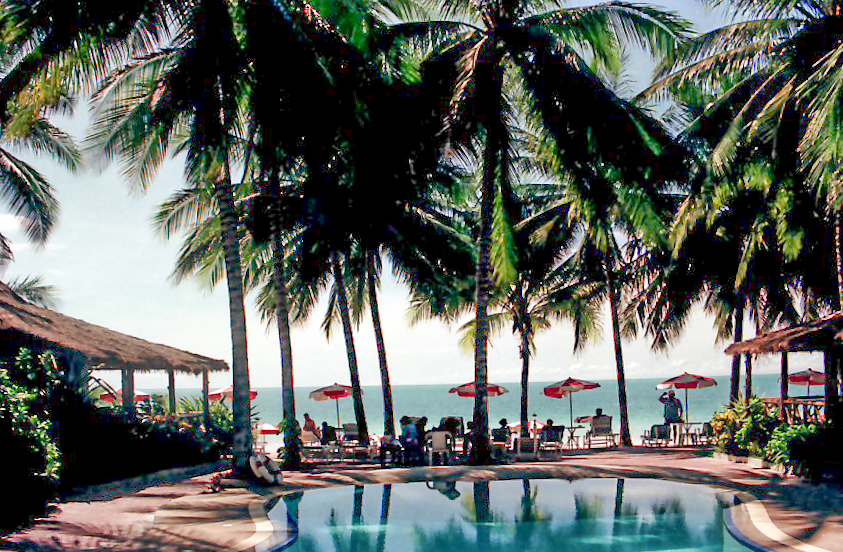
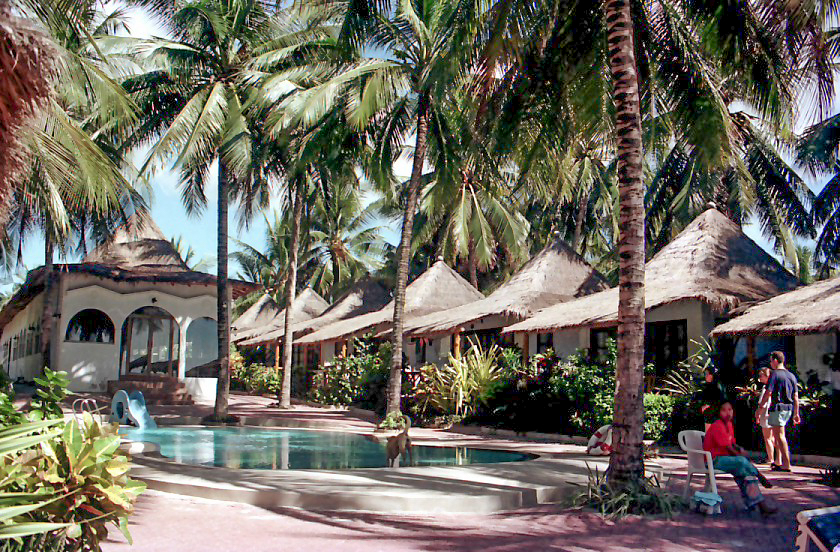
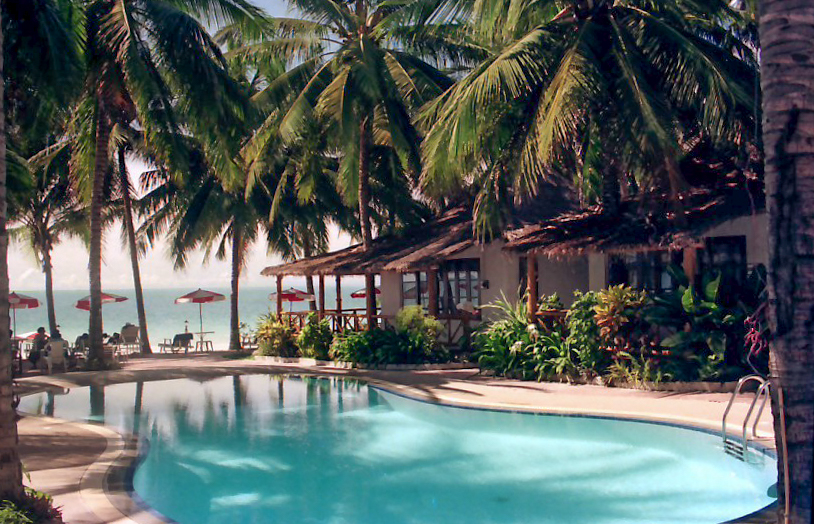
Vi startede med at leje en bil og køre lidt rundt på øen efter vi var blevet indlogeret på vores fine hotel.
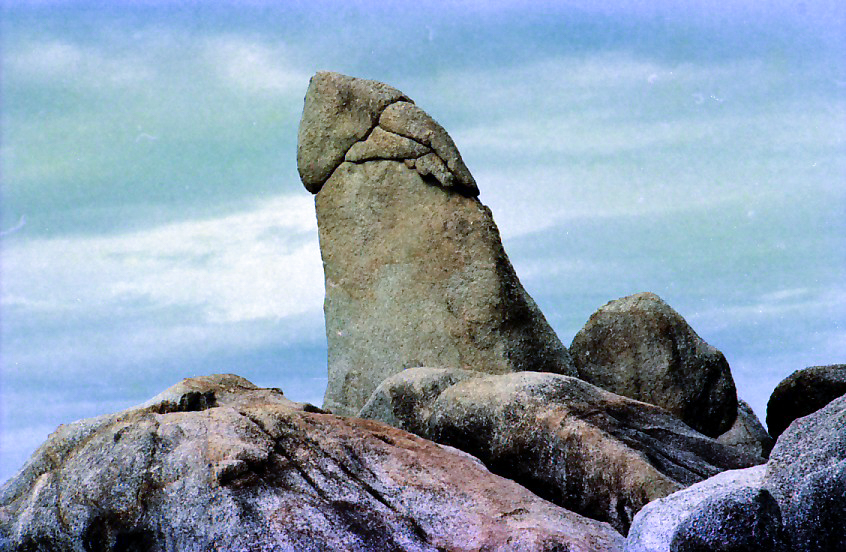
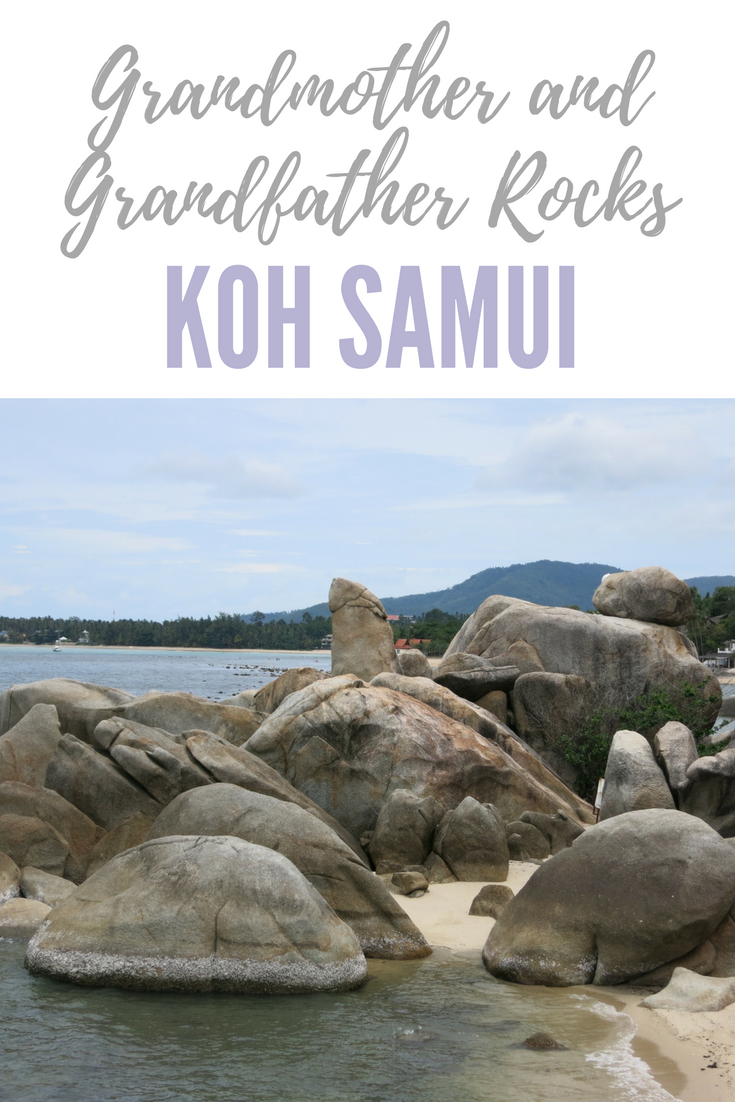
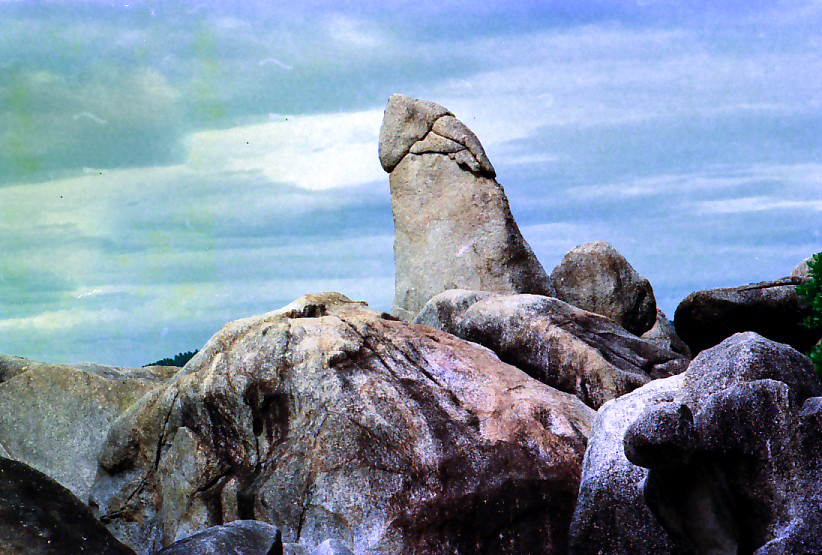
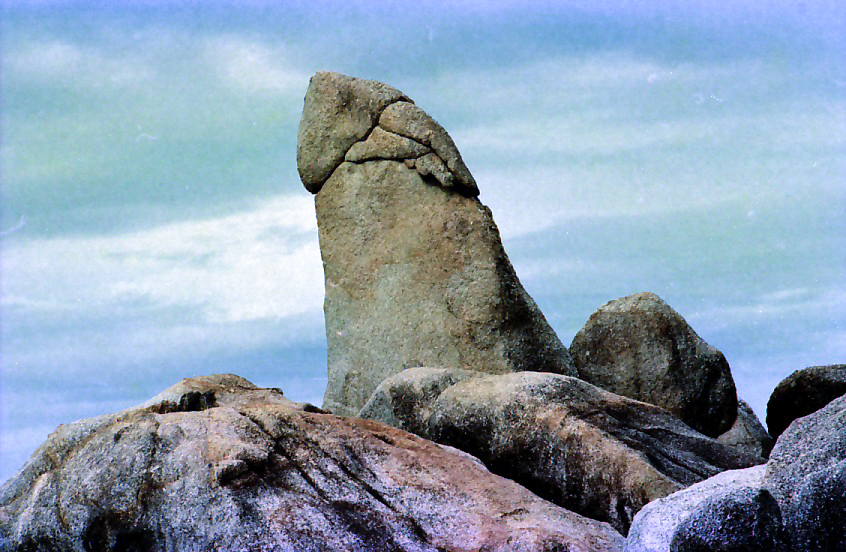
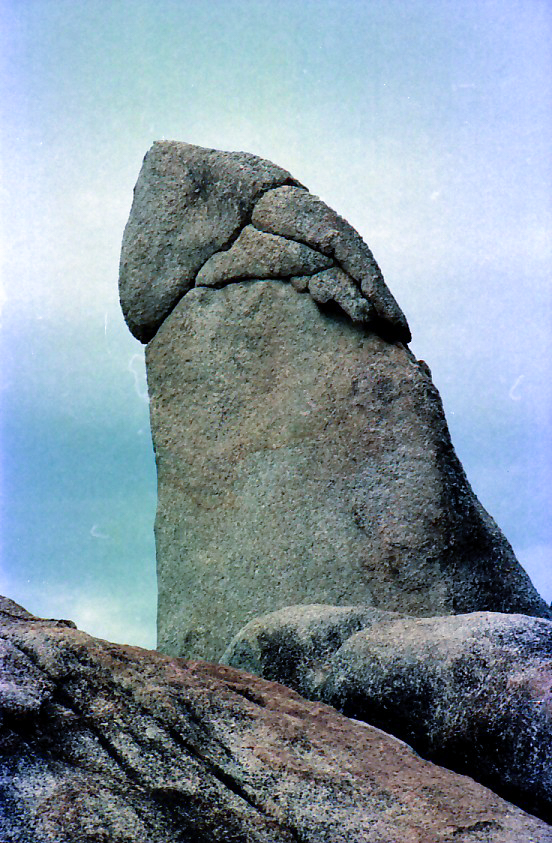
Vores første stop var ved de lidt frække klippeformationer Hin Ta og Hin Yai, som betyder Grandpa (Ta) og Grandma (Yai).
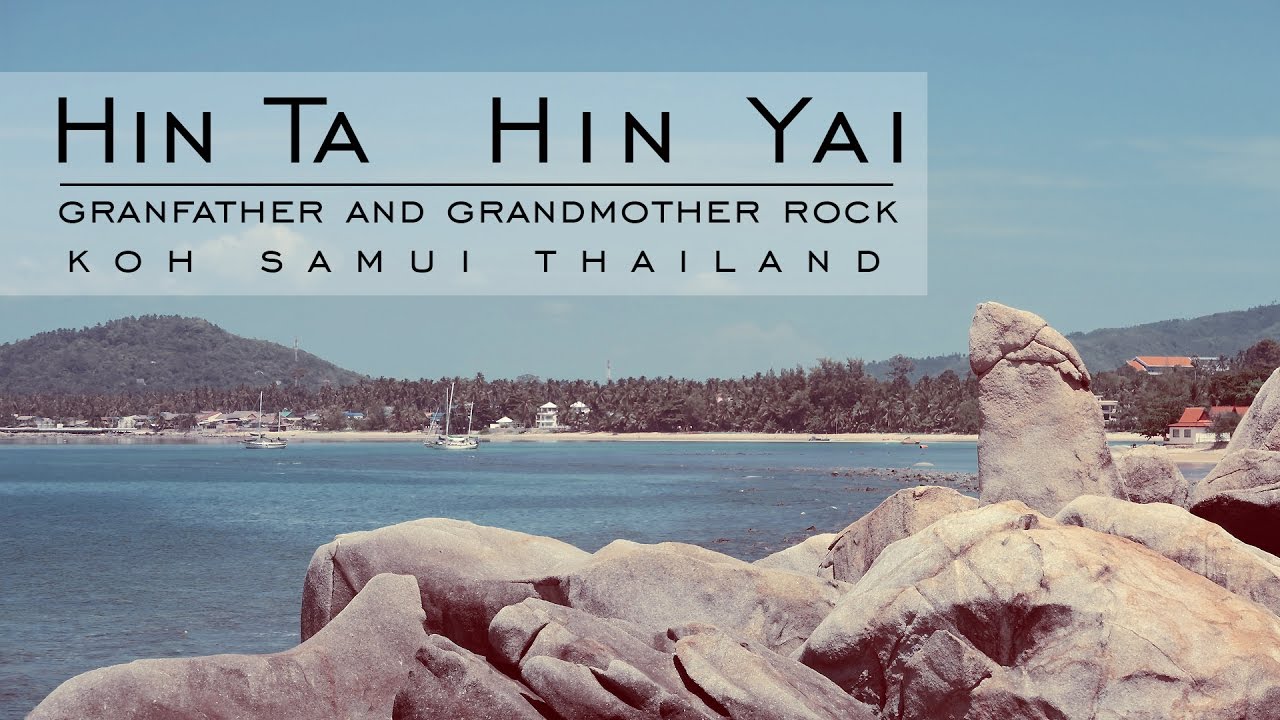
Hin Ta and Hin Yai are the highlights of some fascinating rock formations at the southern end of Lamai Beach on Koh Samui. They’ve been a source of giggles and wonder on the island since they were discovered by the locals many years ago. Known as Grandpa (Ta) and Grandma (Yai), the rocks look, respectively, like male and female genitalia.
Set on the rocky coastline between Lamai and Hua Thanon, Hin Ta and Hin Yai raise indulgent chuckles or embarrassed titters from those who go to see them. This unusual and titillating sight has, naturally, given rise to a legend explaining how the rocks came into being.
The history of Hin Ta and Hin Yai
The Hin Ta/Hin Yai legend is a tale of tragedy tinged with hope, as described on a signboard near the rocks. It reads: “A folklore of Samui Island tells the story of an old couple by the name of Ta Kreng (Grandpa Kreng) and Yai Riem (Grandma Riem) who lived with their son in the southern province of Nakhon Si Thammarat. Since their son had come of age, they felt that it was time he got married.
“One day they decided to sail to the neighbouring province of Prachuap Khiri Khan to ask for the hand of the daughter of a man named Ta Monglai. During their sea journey, their boat was seized by a storm. The old man and his wife were unable to swim ashore. They died at sea, turning into rocks as proof to the would-be bride’s parents of their true intentions. The rocks stand there to this day.”
The views from the rocks and the area around them are spectacular, stretching across the sea to nearby islands. Close to Hin Ta and Hin Yai is a small white-sand beach that’s not suitable for swimming but offers a refreshing place to cool your feet after a day of island exploration. The pristine waters here are so clear that colourful marine life can often be seen from the surface.
Hin Ta and Hin Yai are found near the traditional Muslim fishing village Hua Thanon and in the surrounding area, there’s a lush landscape of plantations and buffalo fields, offering a glimpse of how life might have been on Samui before the rise of tourism.
Those who forget to bring their camera may easily find a variety of postcard pictures of the rocks and other Samui sights in the vendor stalls set up here to cater to the steady stream of curious visitors. Many souvenirs plus drinks and snacks are for sale.
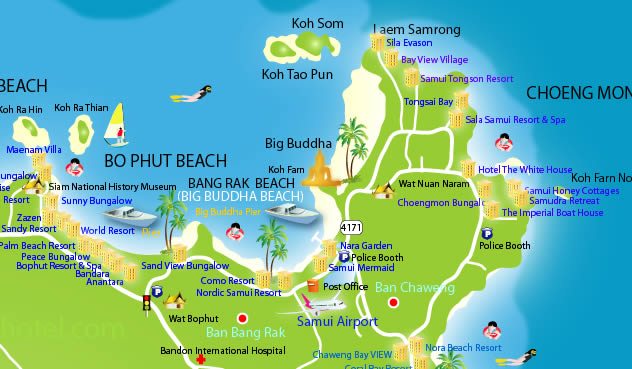
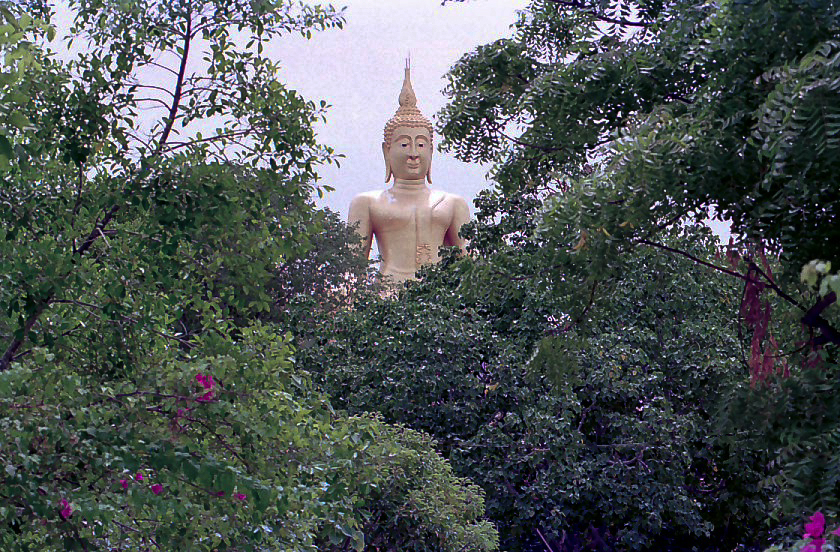
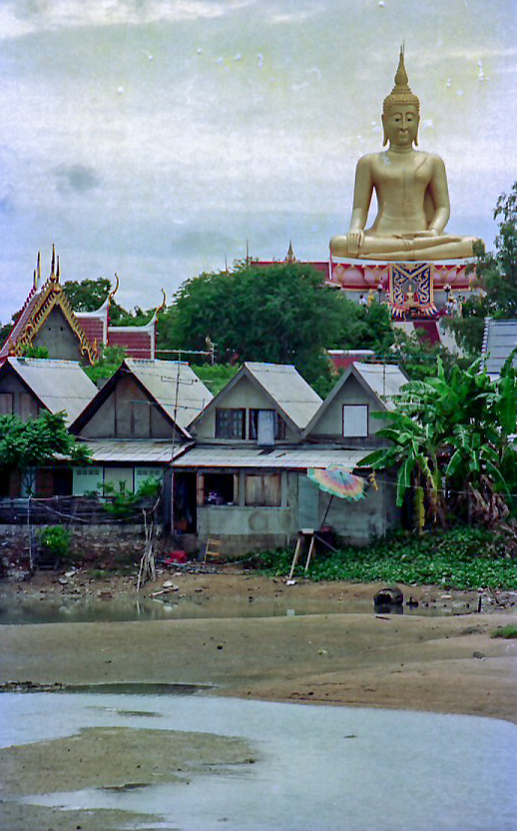
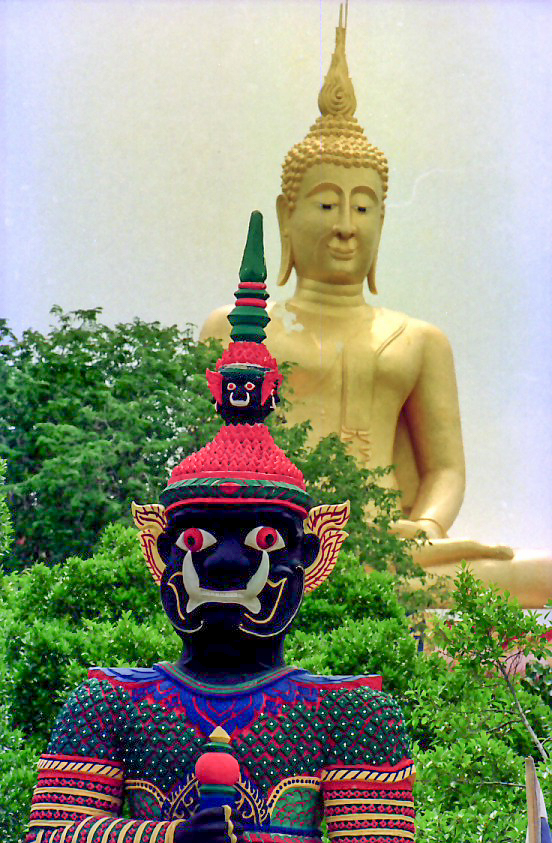
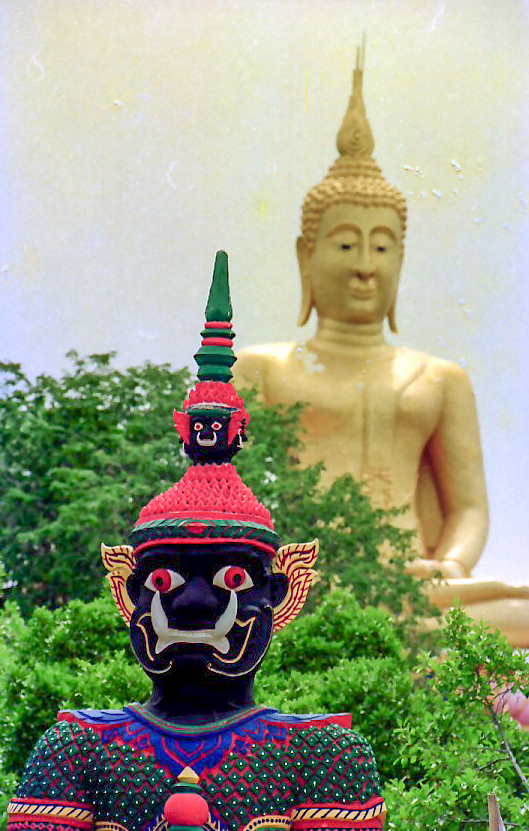
Videre gik turen til et besøg hos Big Budda, som bor i sit tempel på en lille ø (forbundet af en landtange) i den nordøstlige del af Koh Samui.
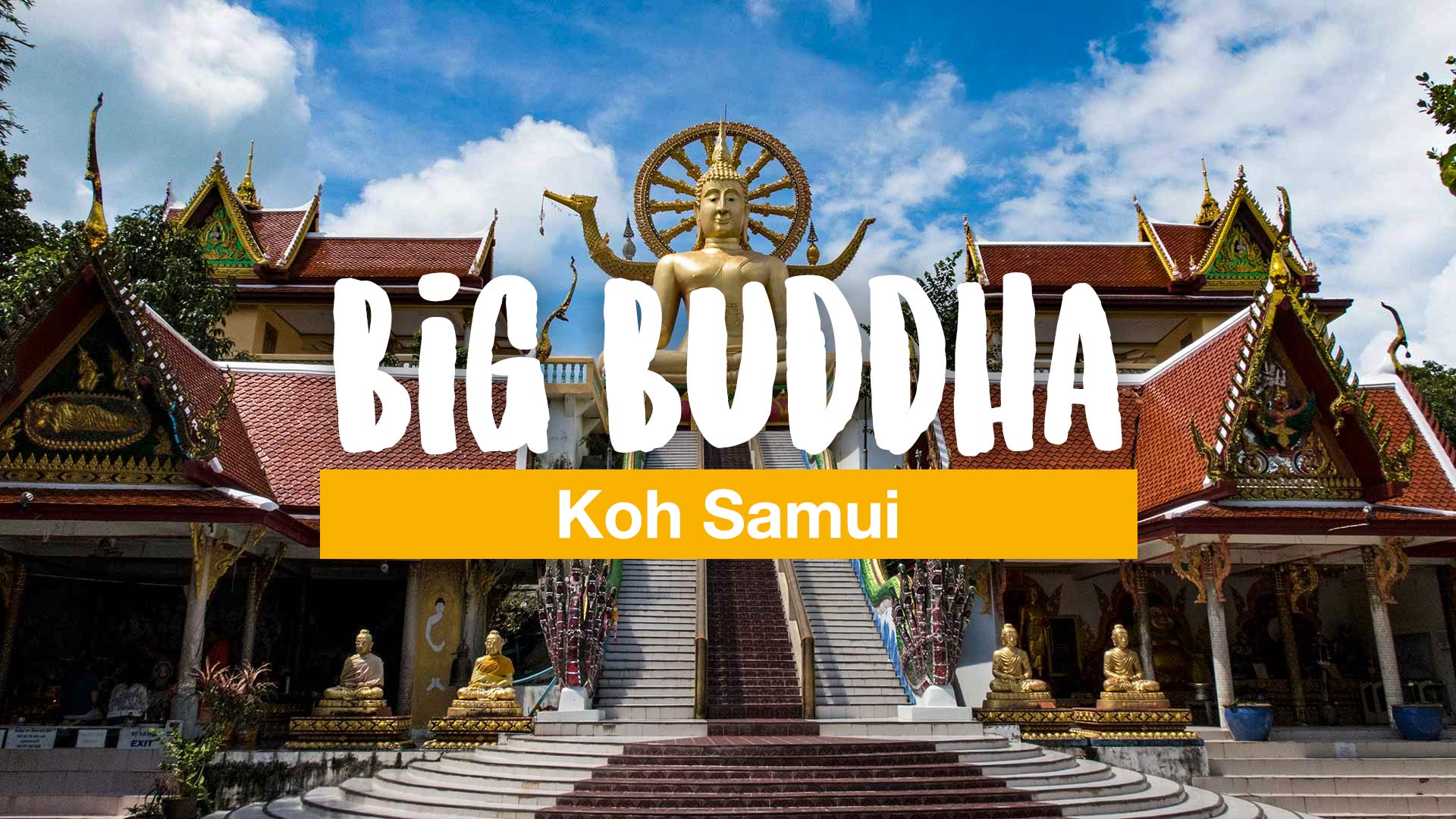
WAT PHRA YAI
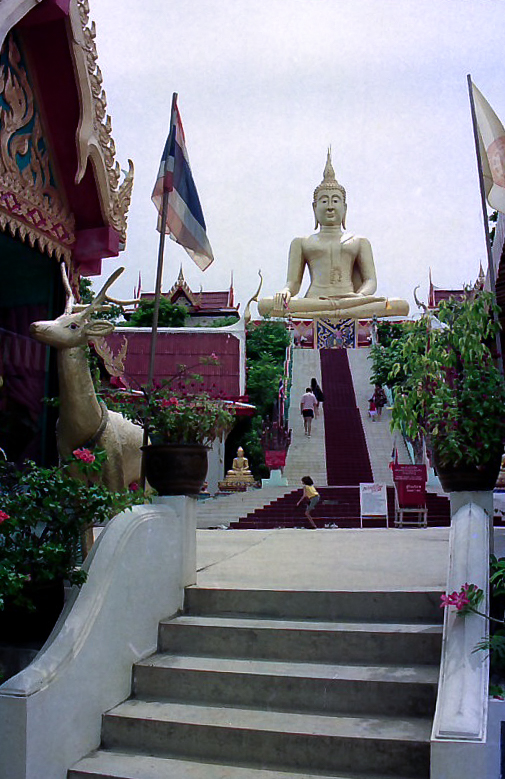
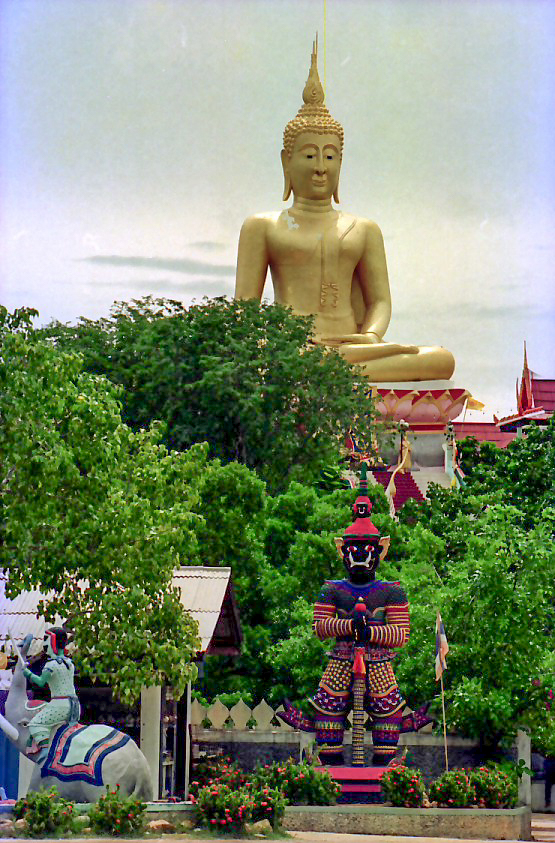
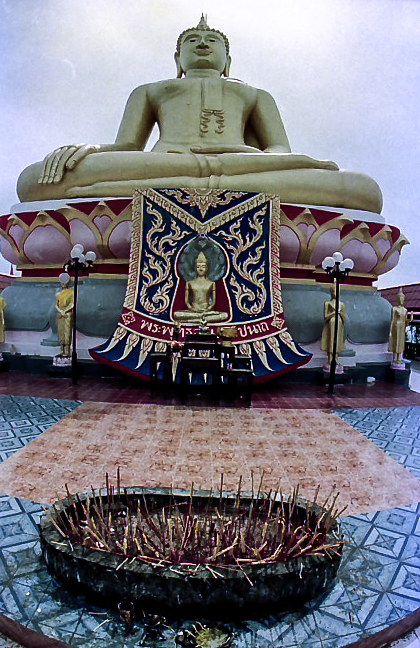
Big Buddha Temple sits on a small rocky island off Koh Samui’s northeastern corner. Known locally as Wat Phra Yai, its golden, 12-metre-tall seated Buddha statue was built in 1972 and remains one of the island’s most popular attractions. Set on Koh Faan, Big Buddha temple is reached by a causeway that connects it to the main island. The Big Buddha can be seen at a distance of several kilometres and is often the first landmark people see when arriving in Samui by air.
The Big Buddha sits in the Mara posture, with the left hand’s palm up resting on the lap and the right hand facing down, the fingers hanging over the knee and grazing the ground. It depicts a time during Buddha’s journey to enlightenment where he successfully subdued the temptations and dangers thrust at him by the devil-figure Mara by meditating and remaining calm. The pose is a symbol of steadfastness, purity and enlightenment.
Samui Big Buddha highlights and features
Around the base of the tall statue is a courtyard and vendor area where amulets, religious artefacts, clothing and souvenirs are sold, and there are 2 more Buddha images set in pavilions. There are also food stalls and small restaurants to enjoy a snack or a meal. A staircase with a colourful dragon design leads up to the platform area on which the Buddha sits.
Buddhist devotees come daily to make offerings of fruit and flowers and light incense at the base of the statue, while curious tourists are welcome to come and observe these graceful religious rituals any time of the day. In addition to offering an insight into the local culture, the platform affords excellent beach and sea views. By night, the Big Buddha is bathed in the golden glow of spotlights, making for a holy and exotic sight.
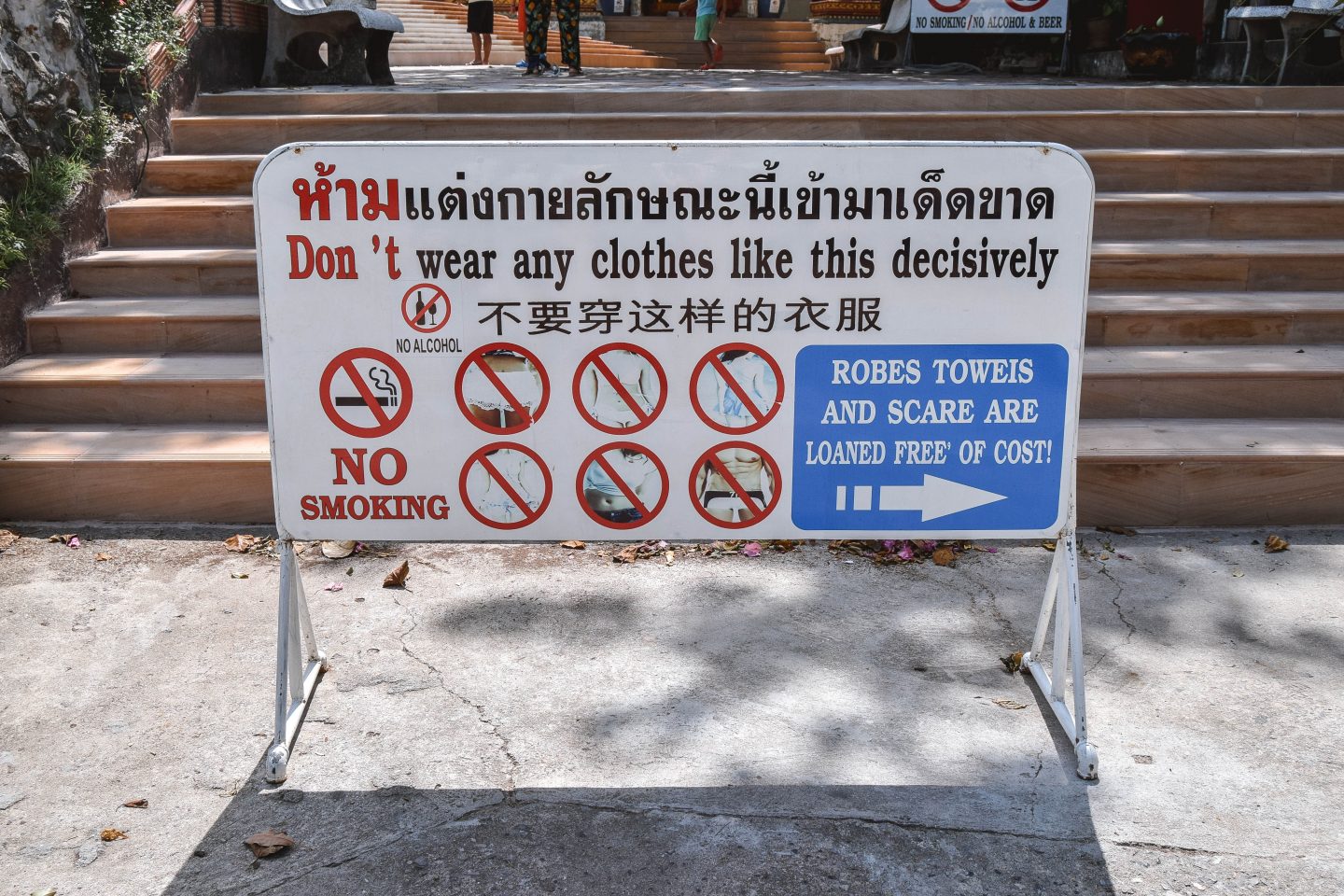
All over Thailand, the wat serves as a major centre for cultural festivals and Big Buddha Temple in Samui is no exception. During such festivals as Loy Kratong or Songkran, the temple becomes crowded with people making merit and enjoying the entertainment, food and markets set up in celebration. The beach nearby was originally called Bang Rak, but due to the prominence of the temple at its eastern end, it’s now commonly known as Big Buddha Beach. There are a number of hotels and guesthouses along its sandy shoreline and plenty of places to eat and shop.
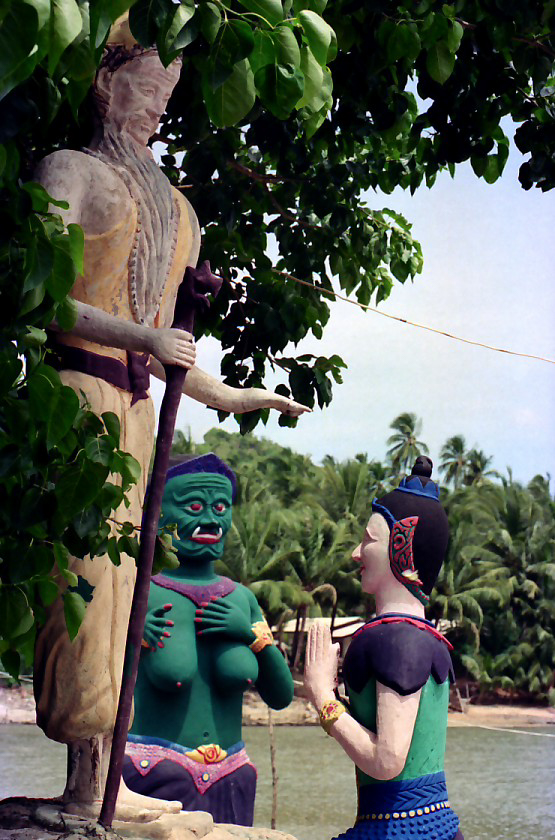
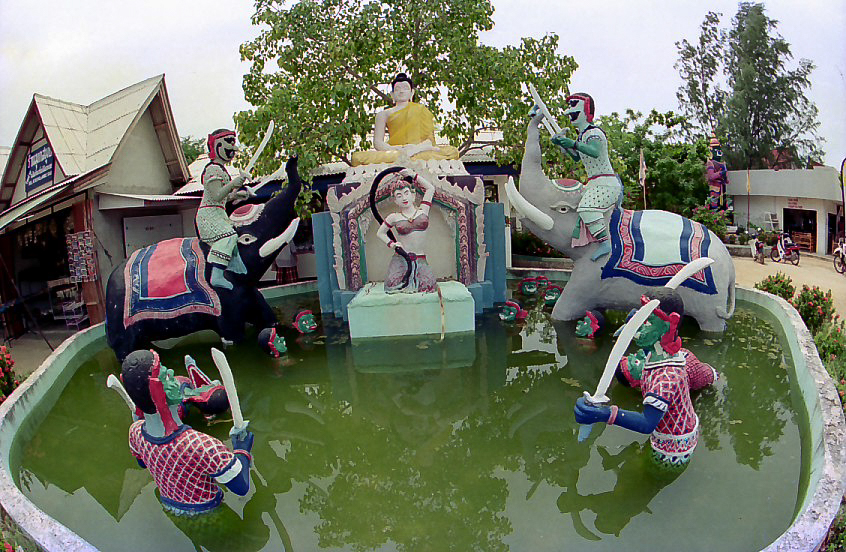
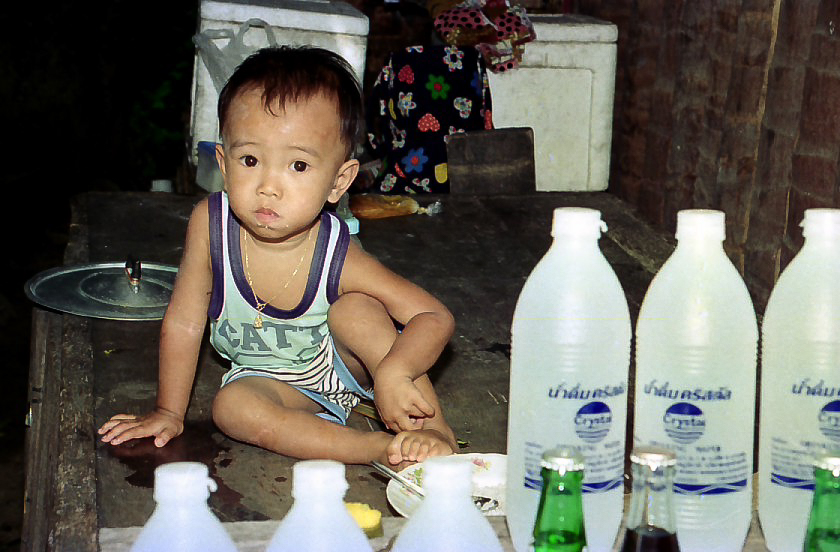
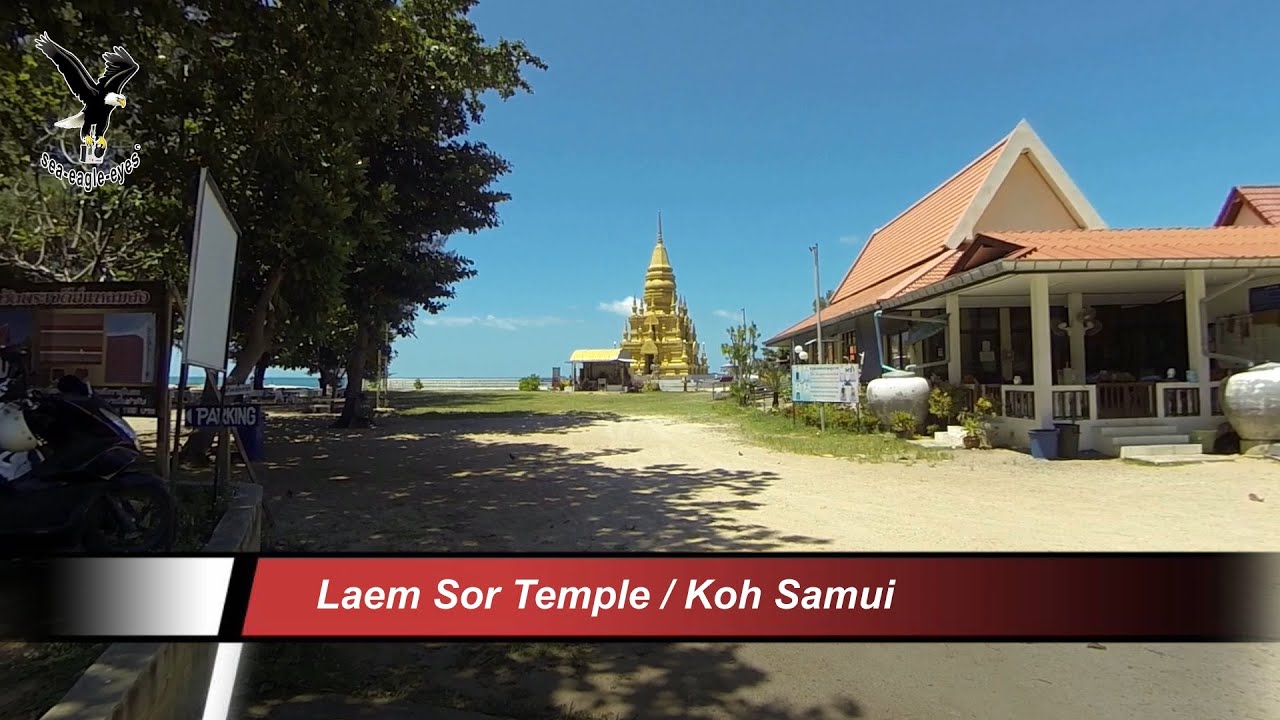
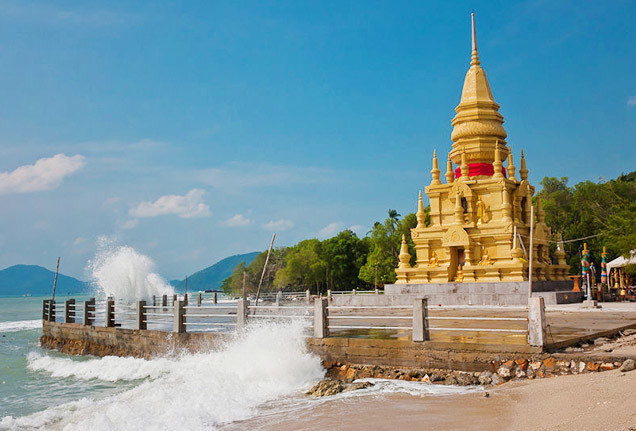
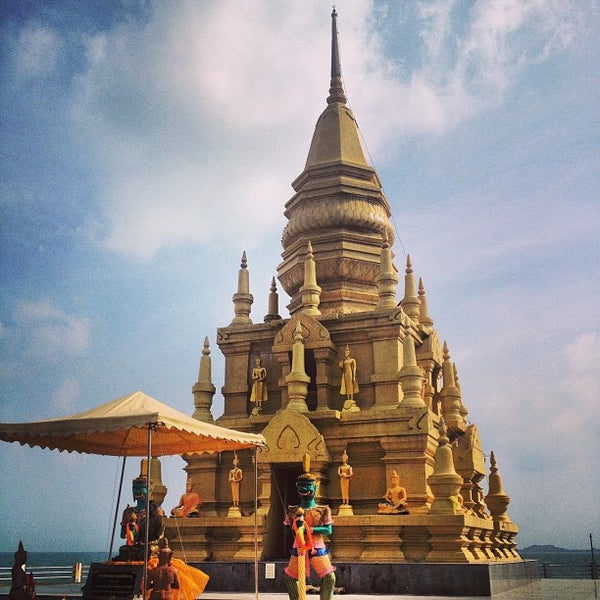
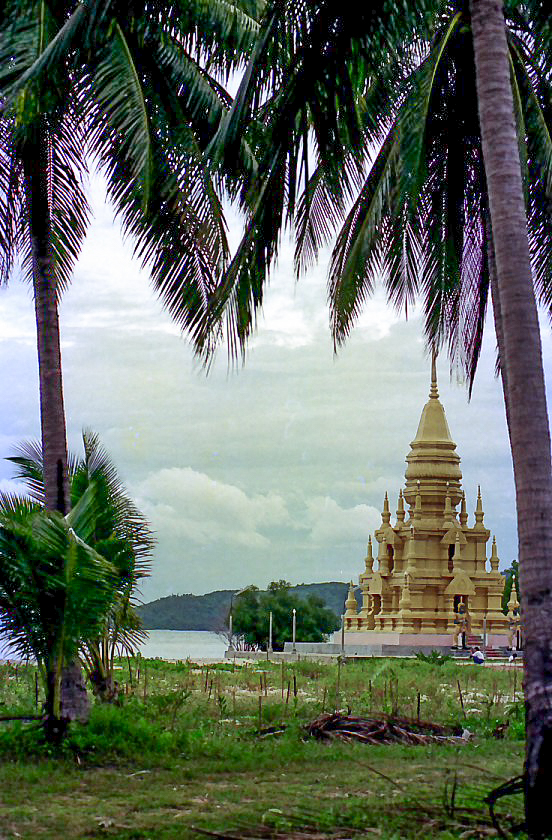
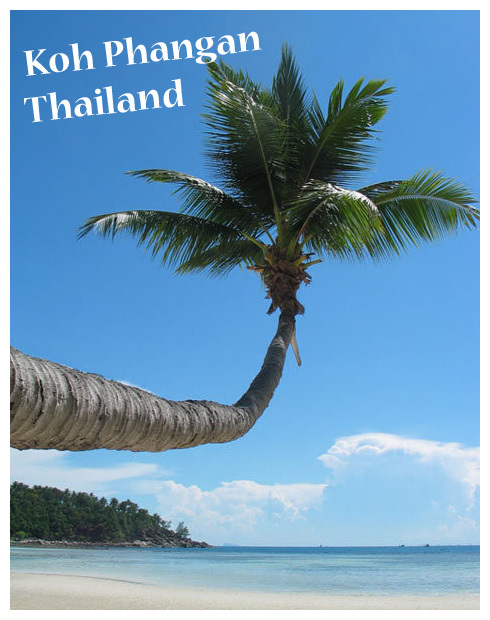
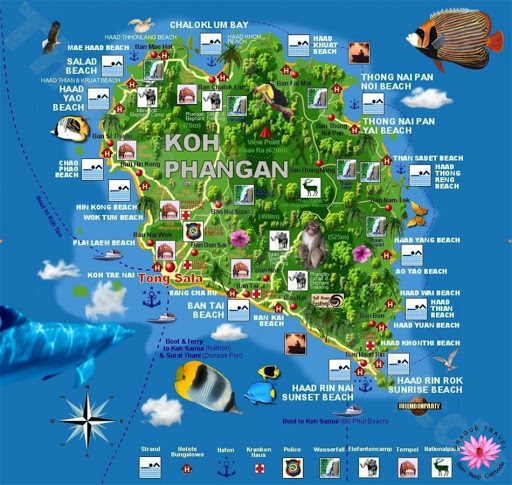
Der blev også tid til et besøg på naboøen Koh Pangan, hvor vi overnattede i en lille primitiv hytte.
Der var ikke så meget at lave på denne lille og smukke ø, andet en at slappe af på den dejlige strand, hvor vi også kom i snak med et par fra Italien.
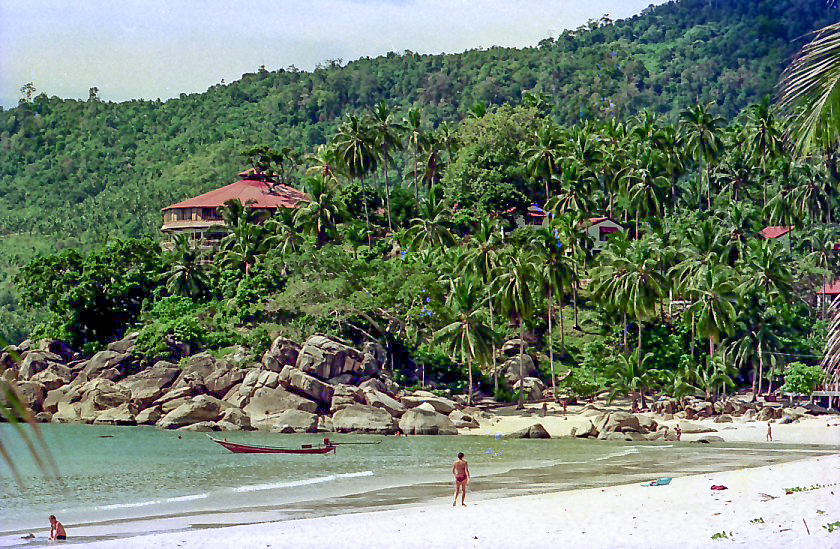
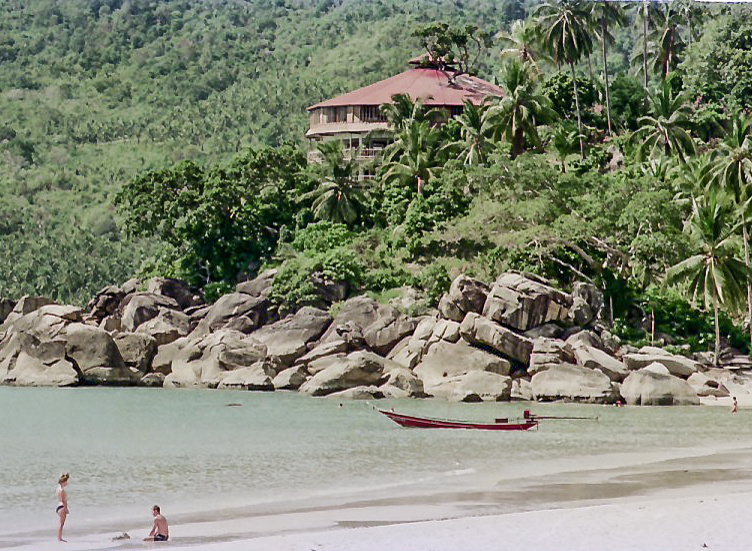
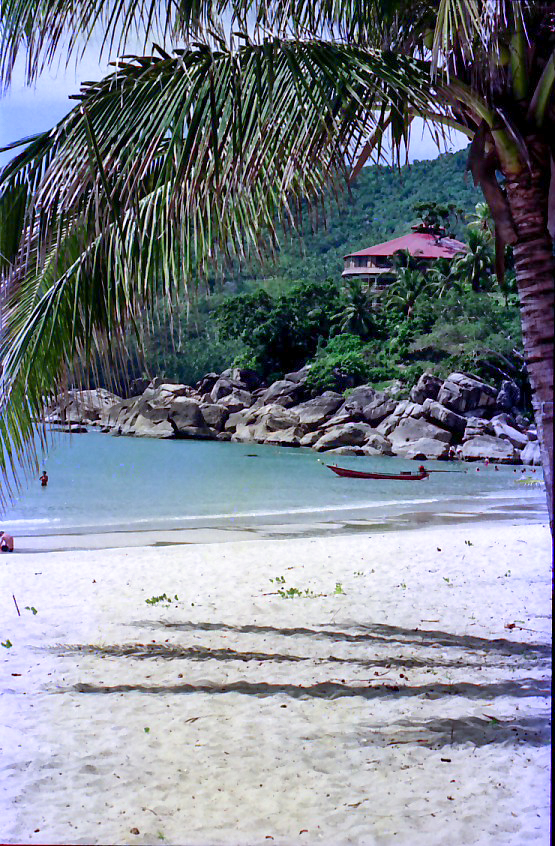
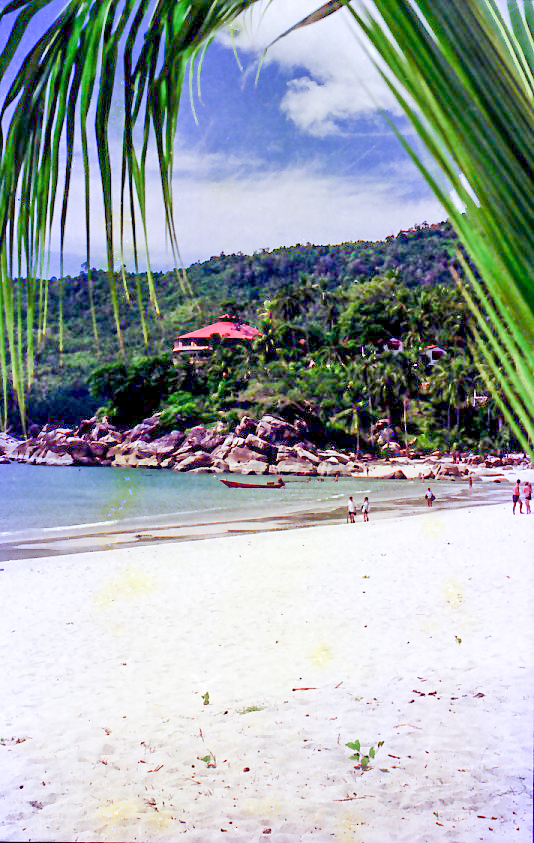
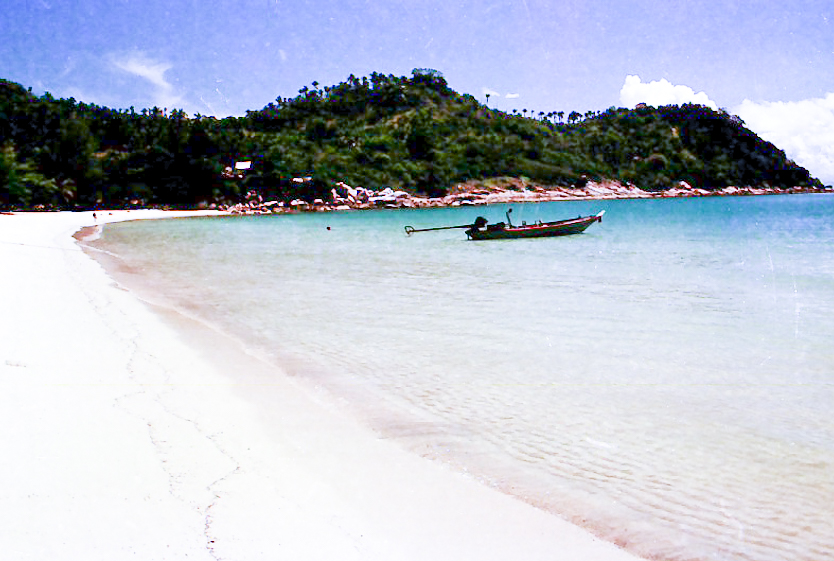
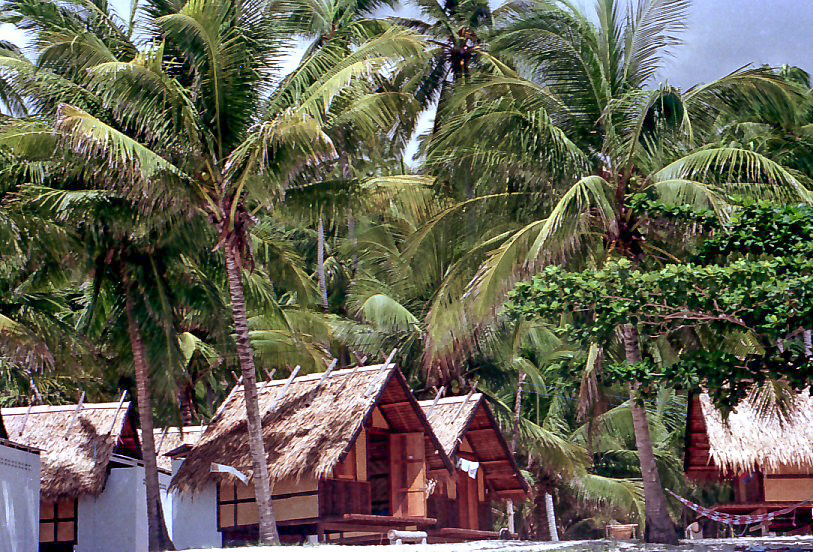
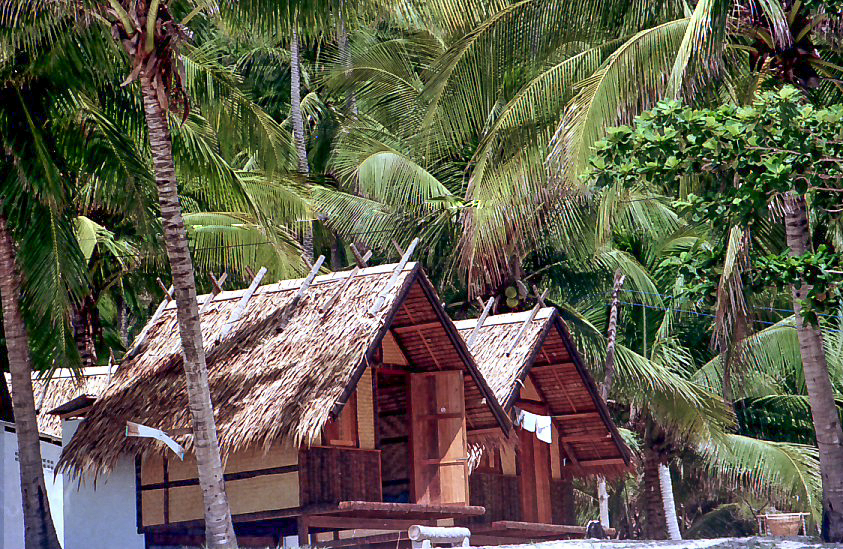
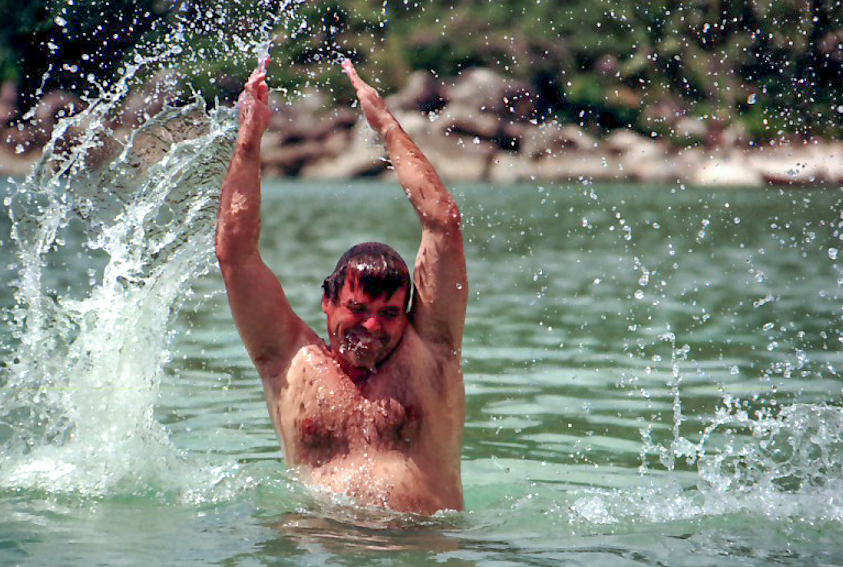
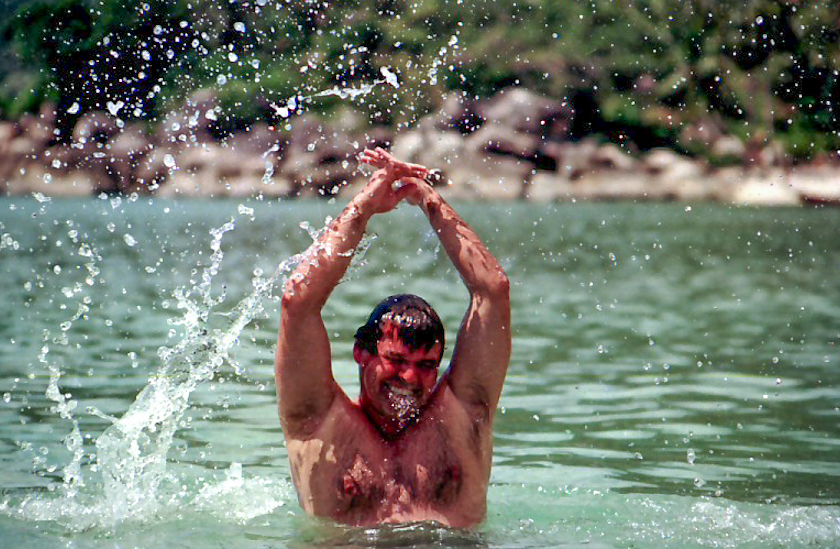
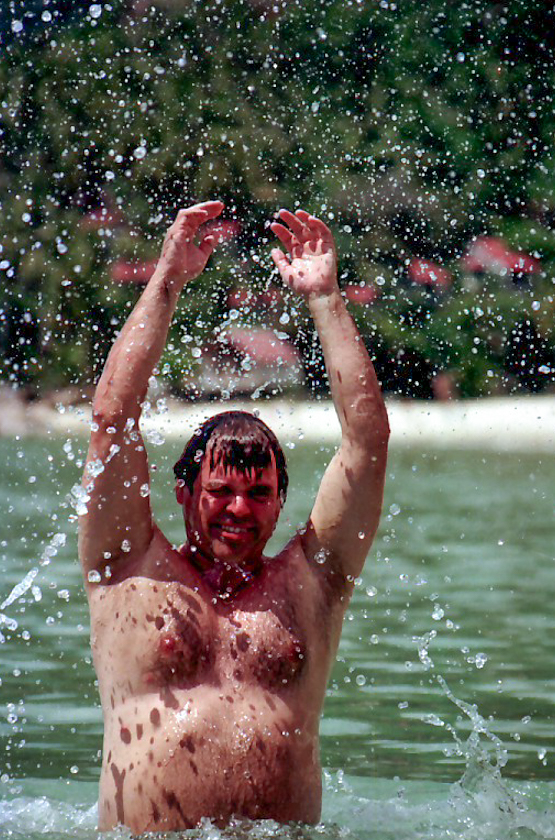
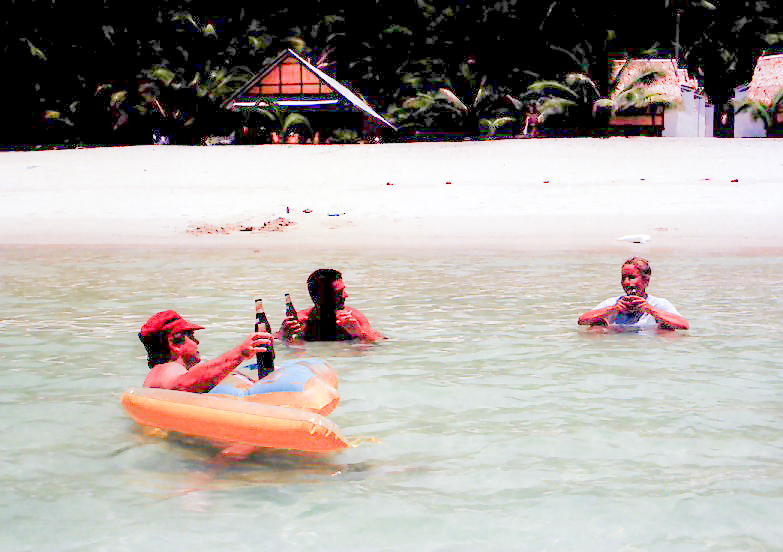
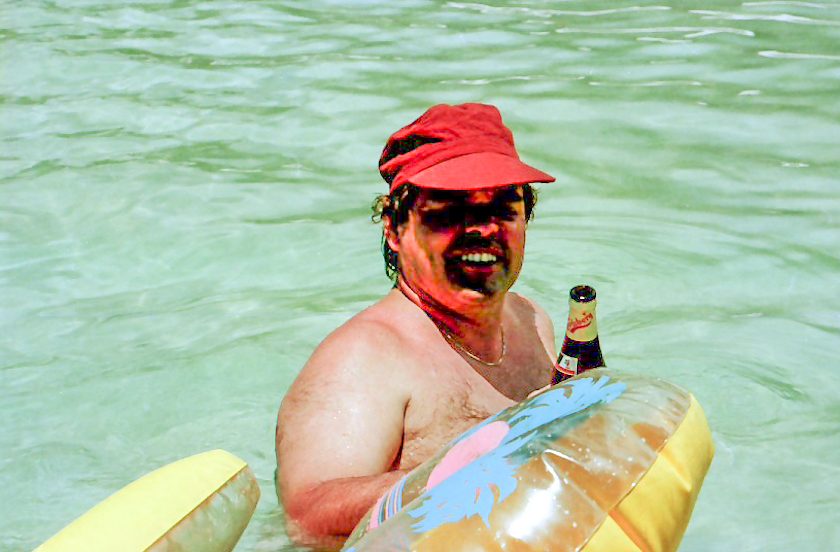
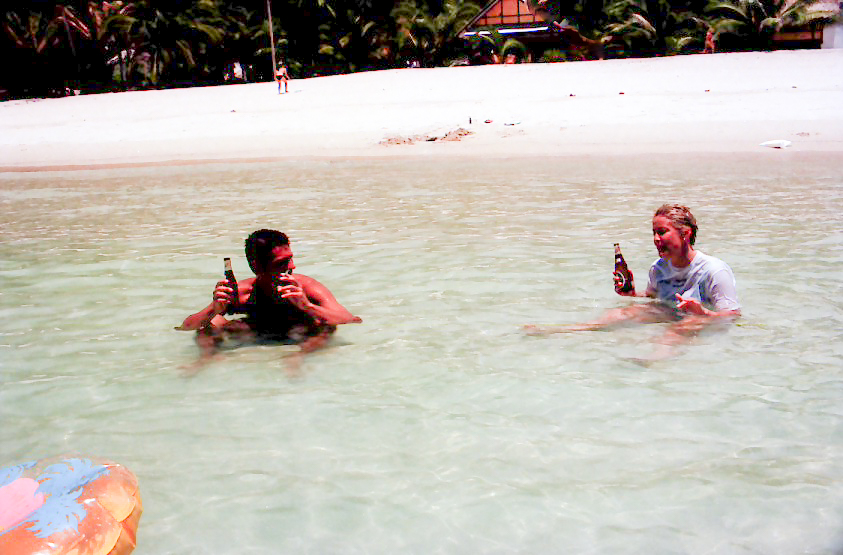
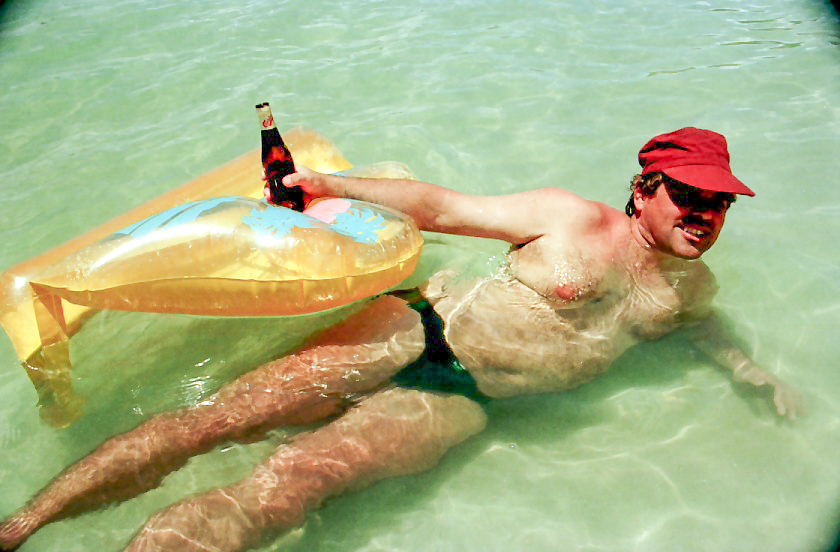
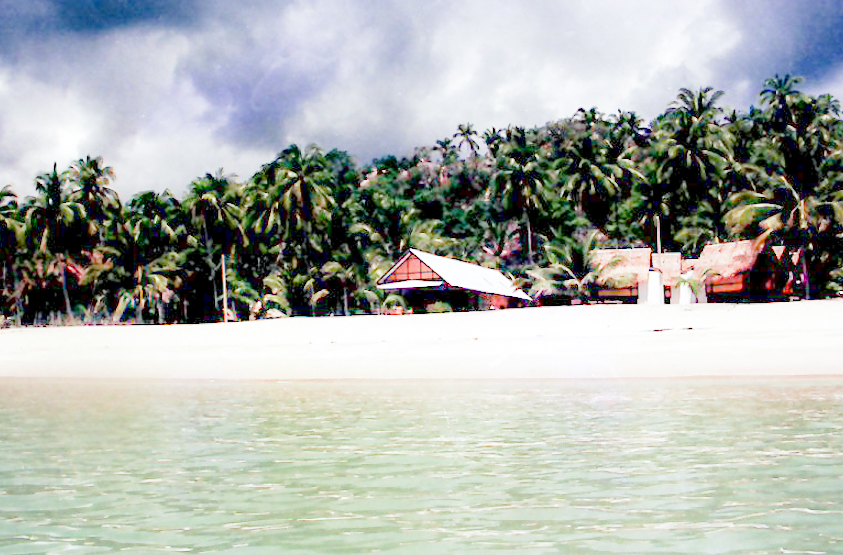
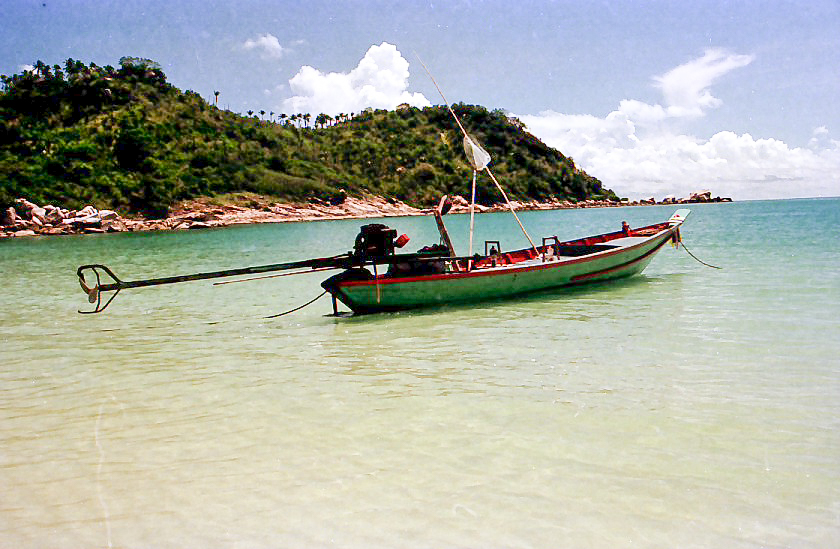
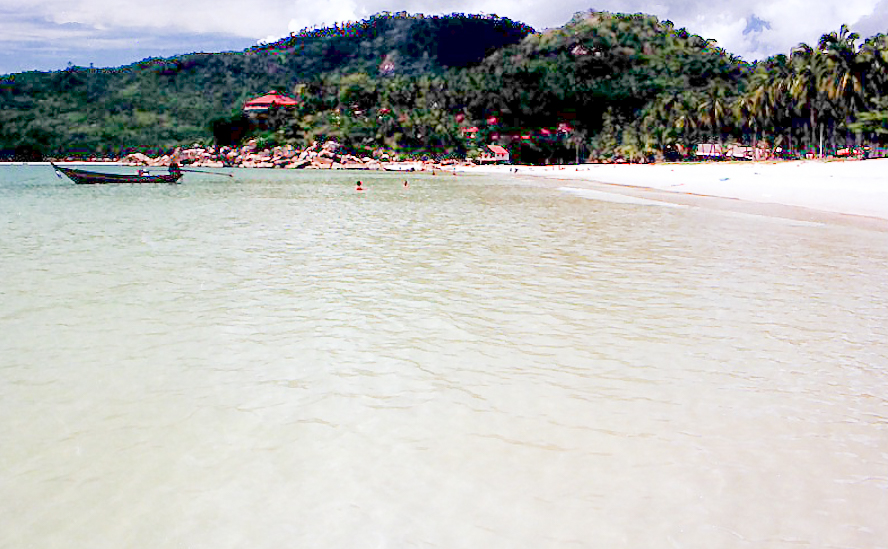
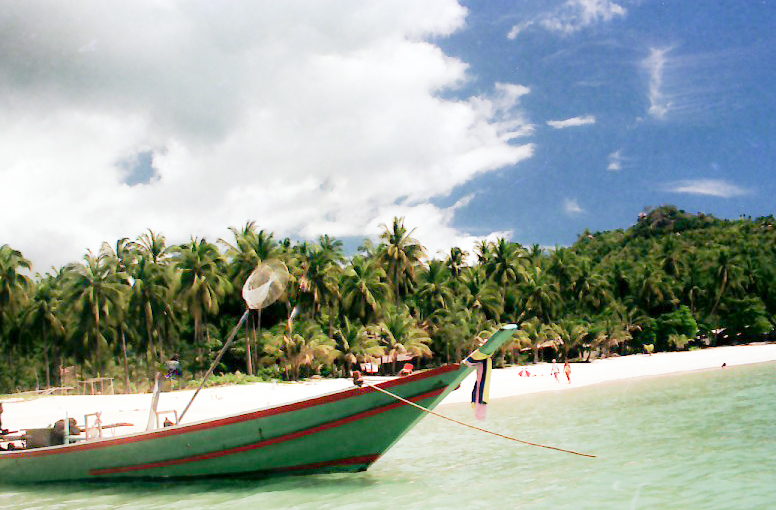
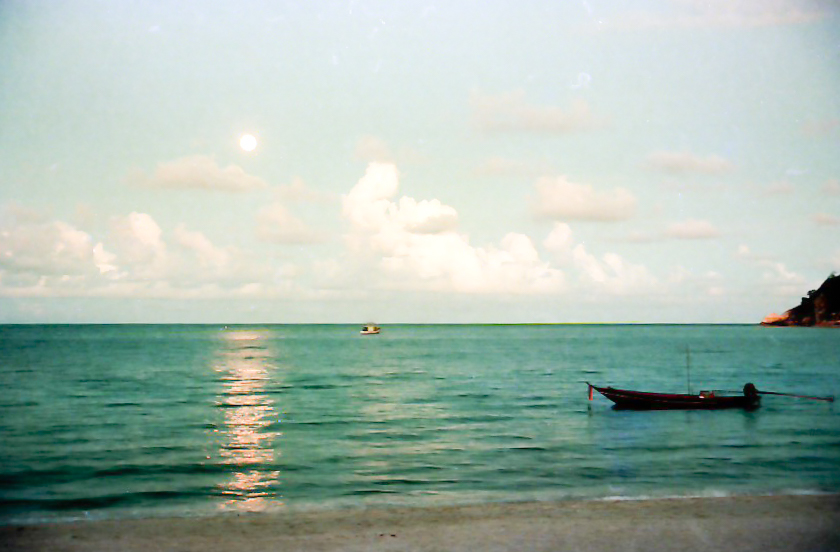
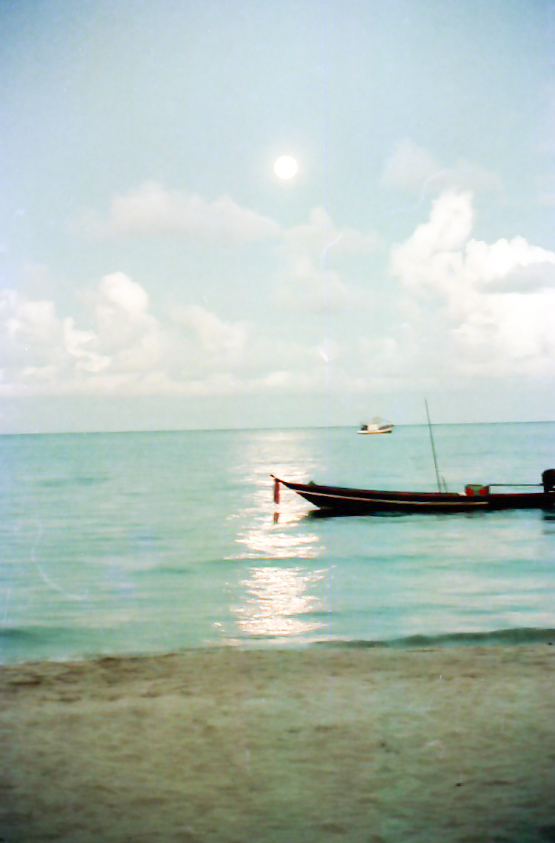
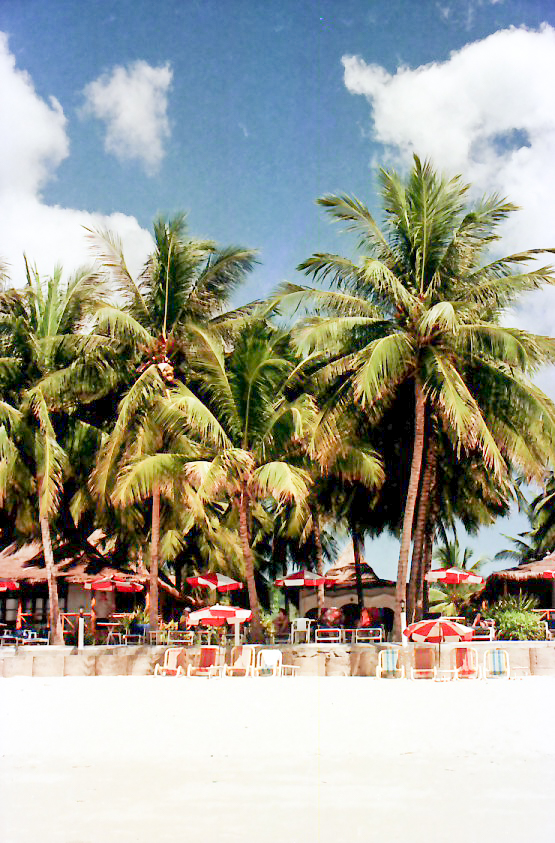
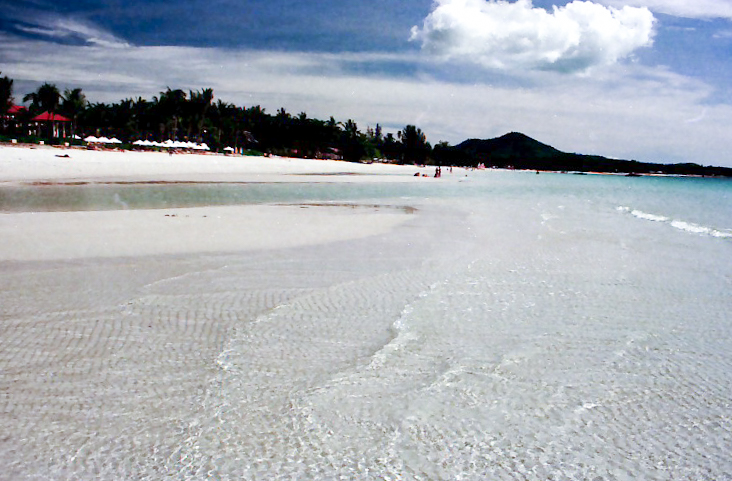
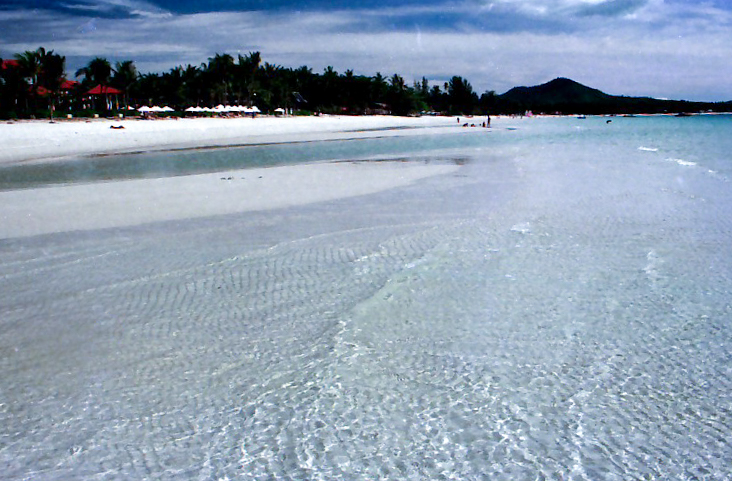
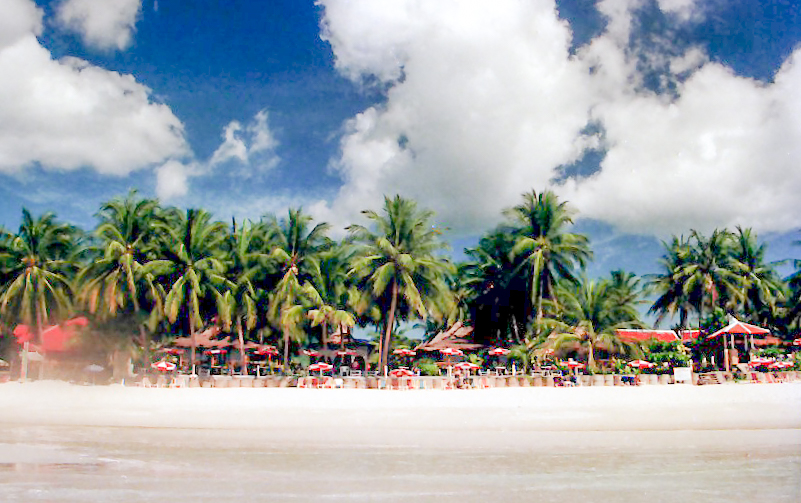
Vi er nu tilbage på vores hotel på Koh Samui, hvor vi slapper maksimalt af ved den skønne strand.