1. juli 1990
Carrie Island med træskærer og kulsvierlandsby
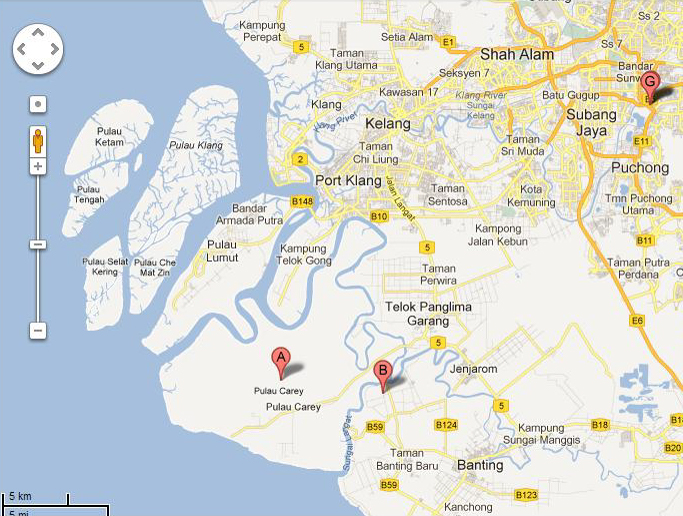
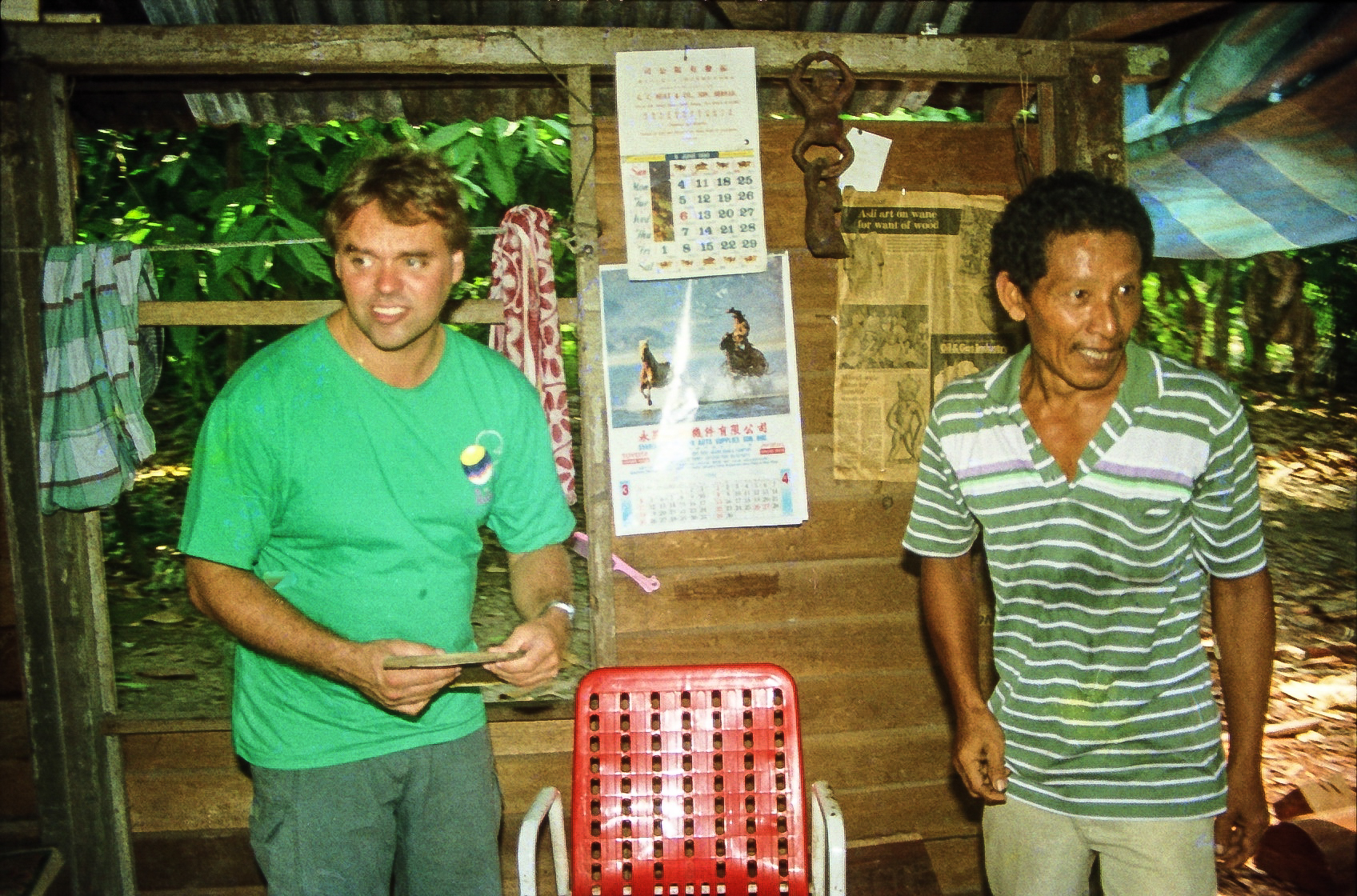
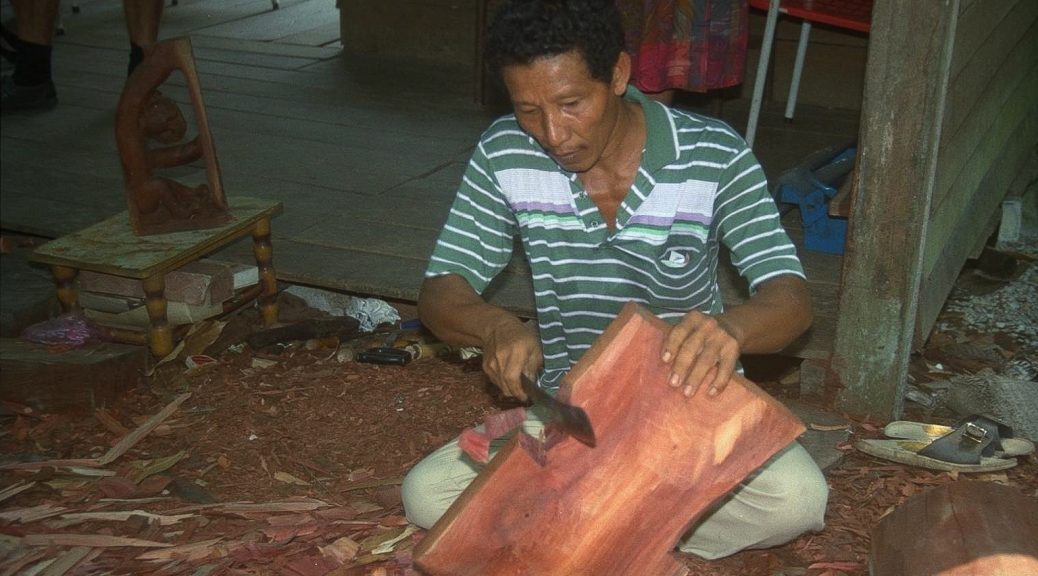
Carrey Island ligger i nærheden af Crab Island, og på denne ø bor der en orang asli mand, som kan lave nogle flotte træfigurer, som er berømte ihvertfald ude i Malaysia. Han er godt nok ved at lære sin søn op, men desværre er træet, som figurerne er lavet af, ved at være udryddet, så dette håndværk han nok talte dage.
Man skulle tro, at der var skiltning, og at det ville være let at finde stedet, når det nu er så berømt. Men det var helt bestemt vanskeligt at finde, selv om nogle at deltagerne har været der før, og jeg er spændt på, om vi overhovedet finder derud igen. Vi har nemlig bestilt en figur og en maske, som vi kan hente den 30 oktober, så vi bliver jo nødt til at gøre forsøget.
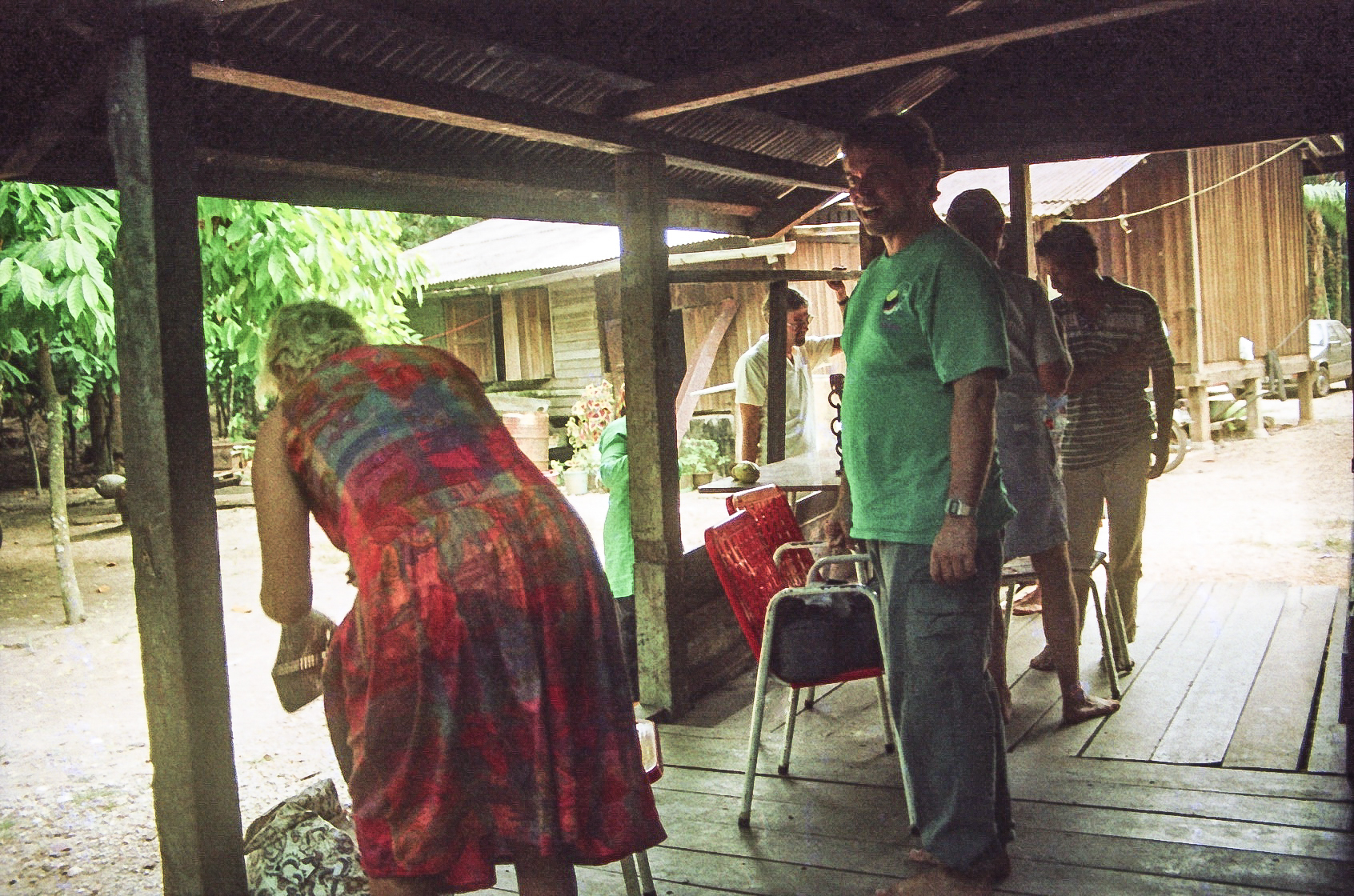
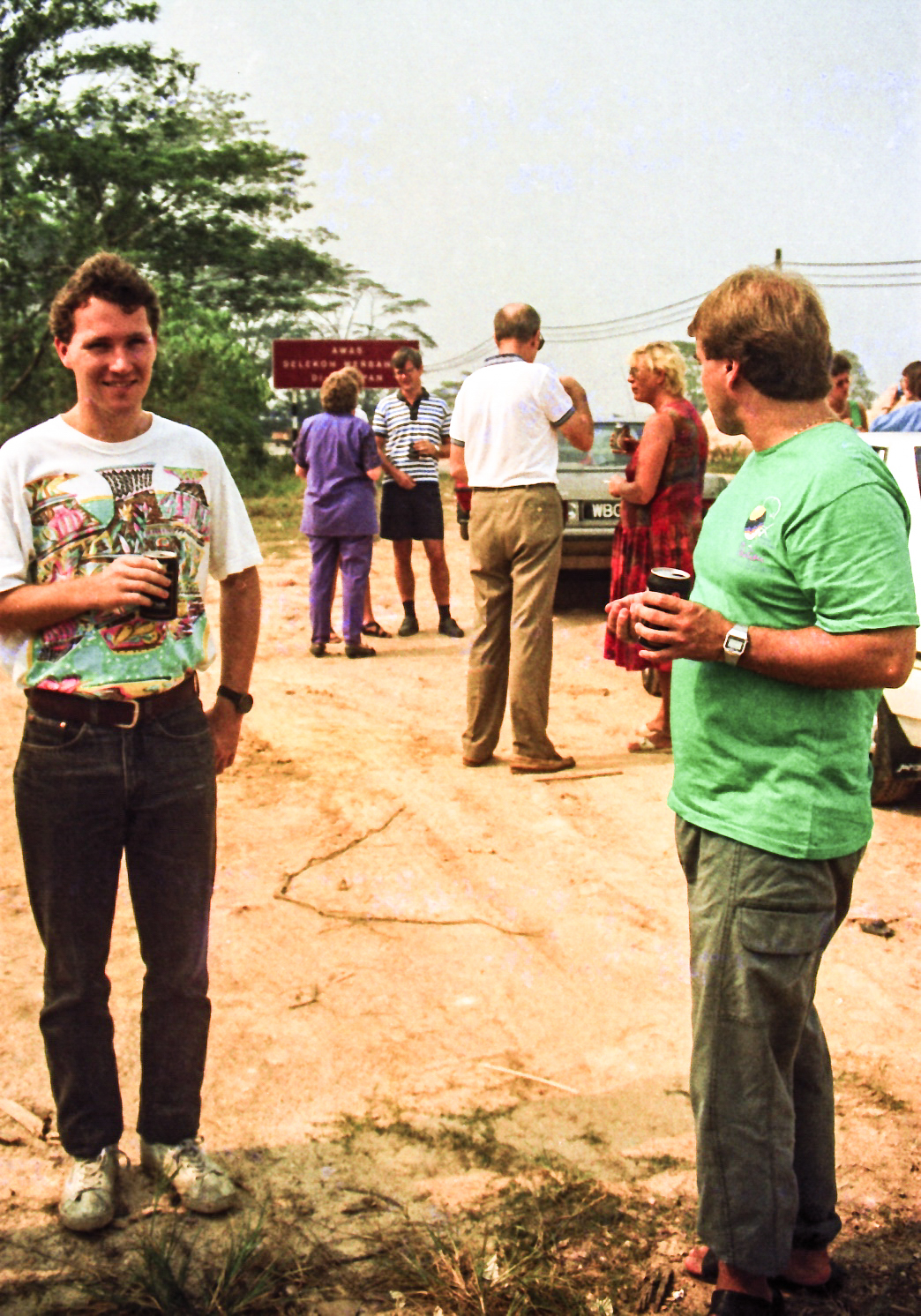
Vi var 12 danskere samt Claude og Anita på turen.
Carey Island is a large flat island off the west coast of Peninsula Malaysia in the Kuala Langat district of Selangor state.
It is huge, about 32,000 acres or roughly a fifth of the size of Singapore. Although technically an island, it does not really feel like one since it is only separated from the ‘mainland’ by the Langat River which is not that wide in places.
Oil Palm Plantations
Carey Island is named after a successful British coffee and rubber planter called Valentine Carey who cleared much of the natural vegetation for agricultural uses just over 100 years ago.
Today it could be called Sime Darby Island because that company’s oil palm subsidiaries dominate the landscape.
Neat plantations of oil palm trees stretch for miles supplying the raw materials for the palm oil refineries and bio-diesel plants found on the island.
The oil palm industry is sometimes criticised by environmental groups on the grounds that it is displacing rain forests and harming wildlife. That would be true if virgin jungle were being destroyed to plant oil palms but that is not the case on Carey Island which was cleared long ago by Mr. Valentine and his successors.
The productive life of an oil palm plantation is about 30 years which gives birds and mammals stability for a much longer period than for other crops.
Sime Darby, which is the world’s largest palm oil producer, has pioneered environmentally friendly practices in their plantations such as reduced use of herbicides, using barn owls to control the rat population and planting the fringes of plantations with natural vegetation to allow beneficial insects to thrive.
On Carey Island, Sime Darby has replanted some endangered trees and plants and is working to regenerate mangrove growth along the island’s shores.
Mah Meri Wooden Carvings
From the tourist’s point of view the main attraction on Pulau Carey is the aboriginal community, the Mah Meri, one of 18 Orang Asli tribes living in Malaysia (orang aslimeans original people).
This community of around 1400 people is famous for its unique wooden statues and masks carved from a rare red swamp hardwood called Nyireh Batu which belongs to the mahogany family.
There are said to be around 25 craftsmen and they can produce over 100 different designs, each with its own significance and purpose in their culture. The best place to see them is Kampung Sungei Bumbun where there are a couple of stalls and a newly built craft centre which has never been open on my two visits.
You can buy these carvings or request them to make one for you. They are not cheap but they take weeks to make and the wood is becoming increasingly rare.
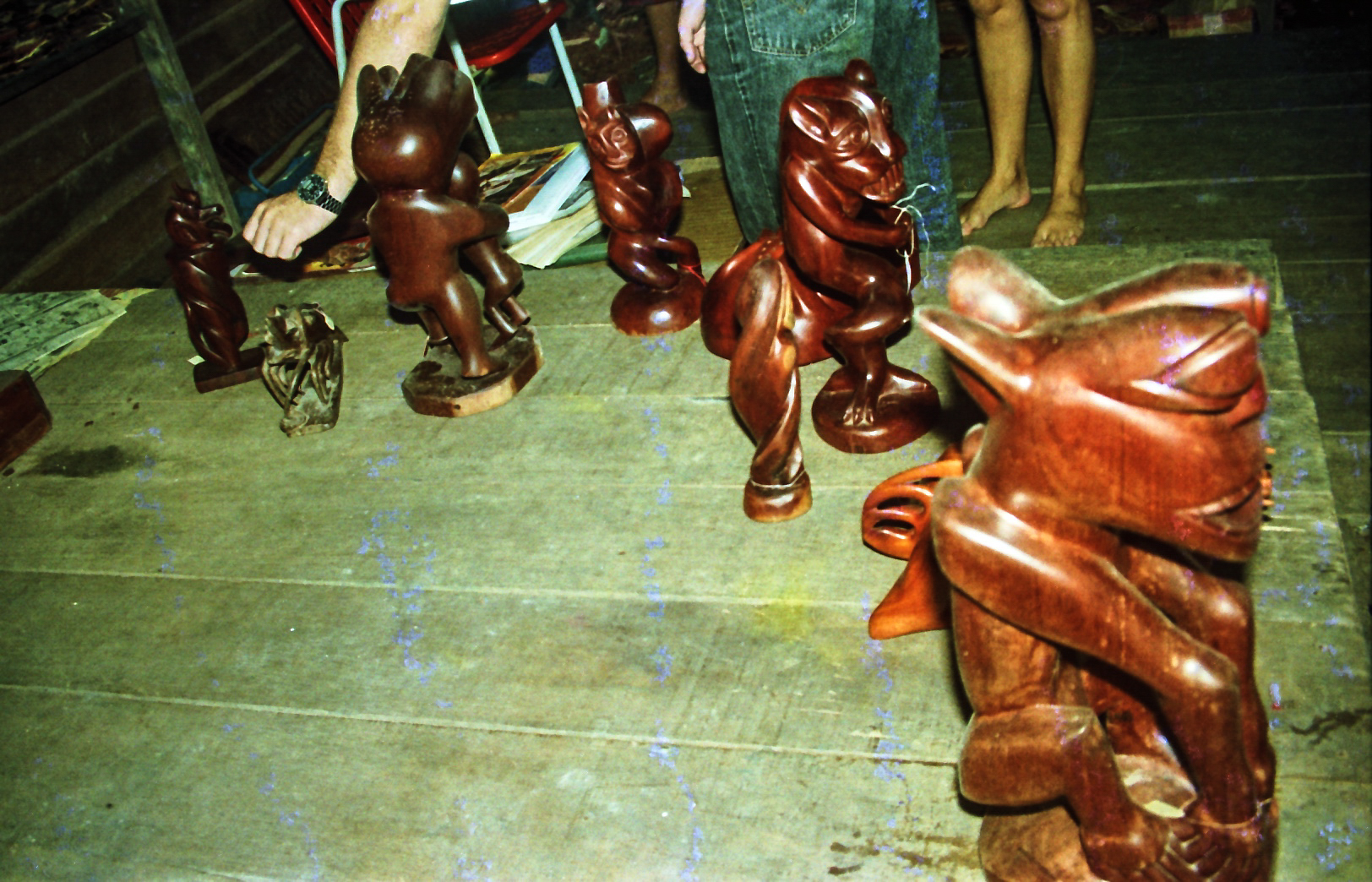
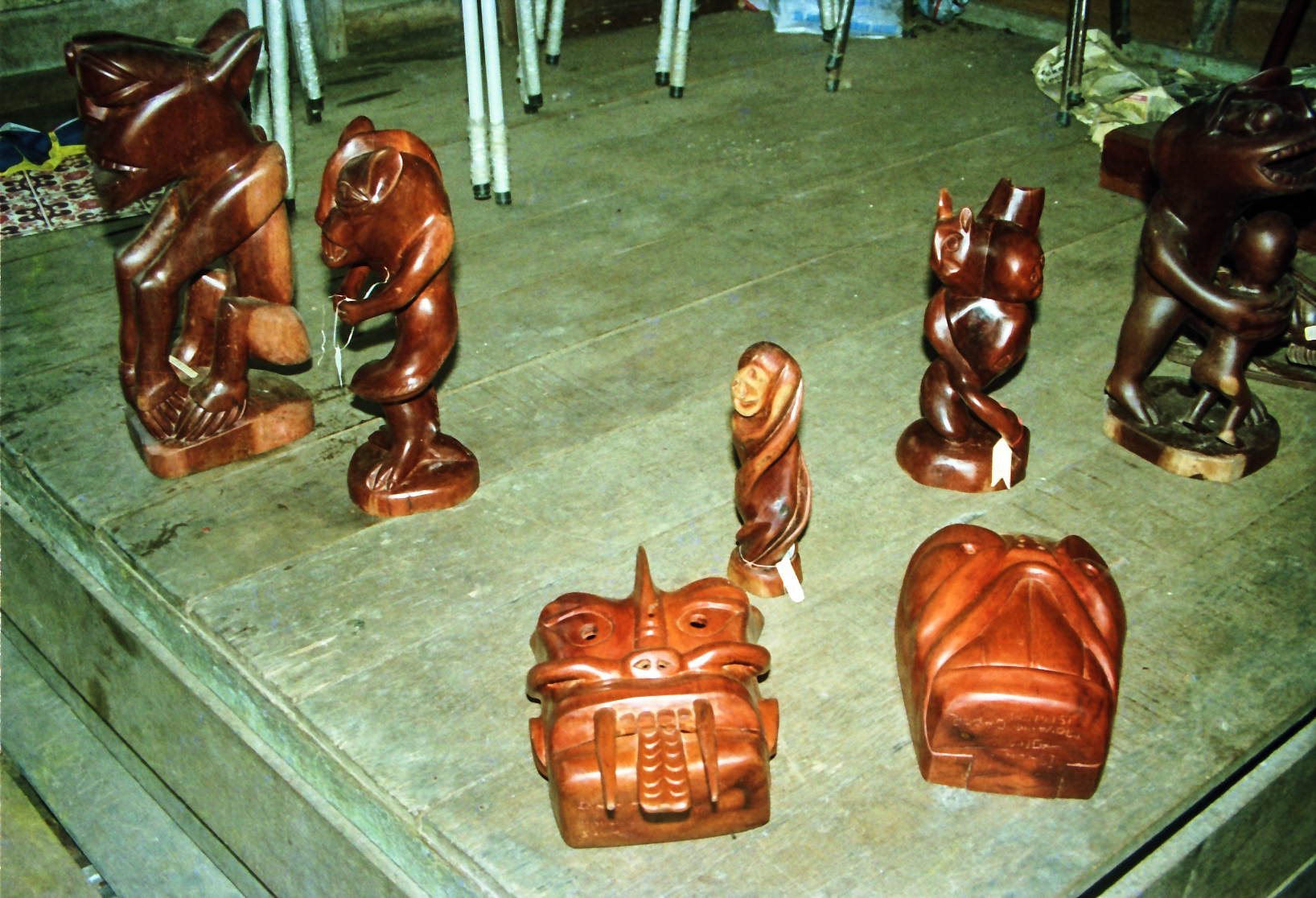
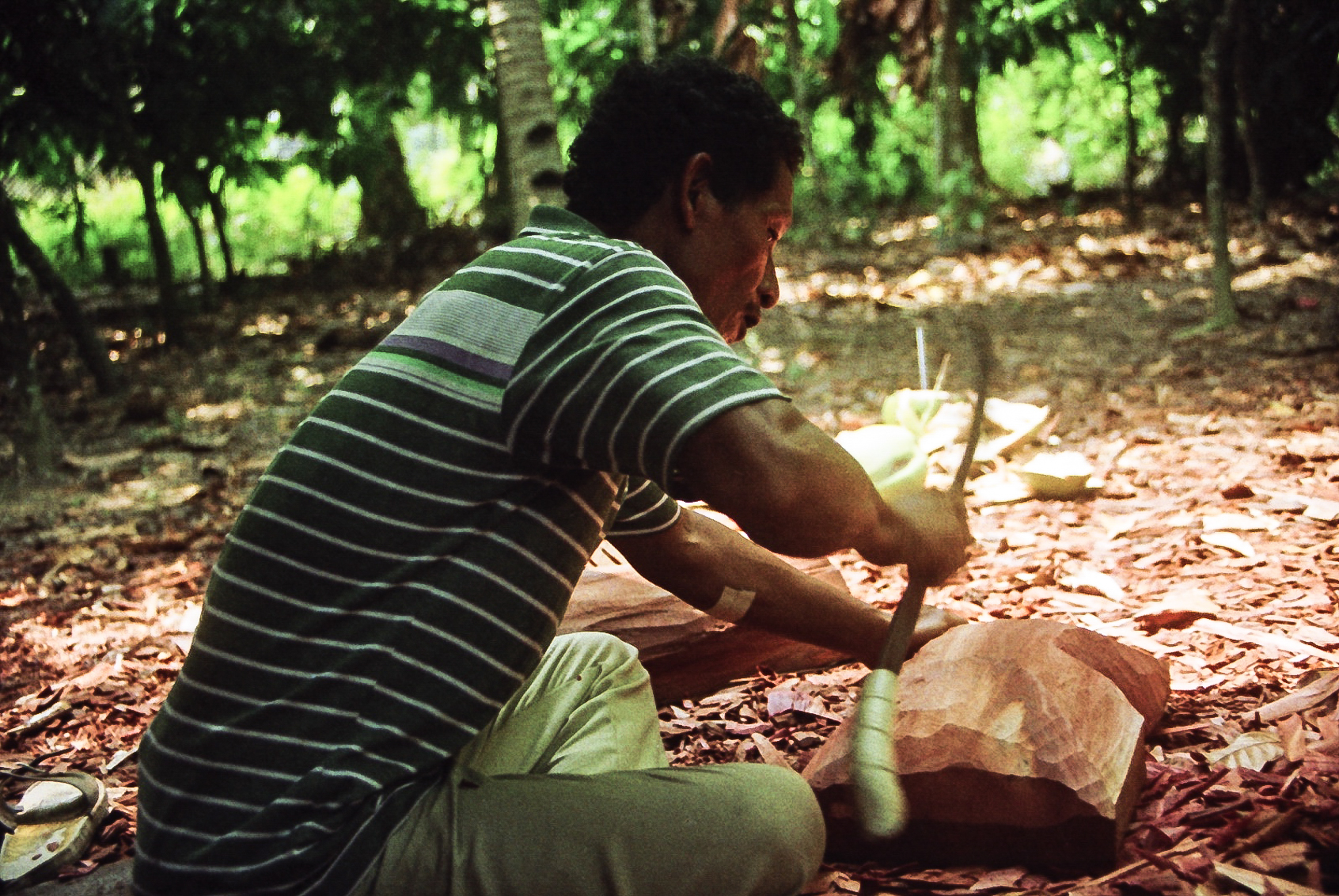
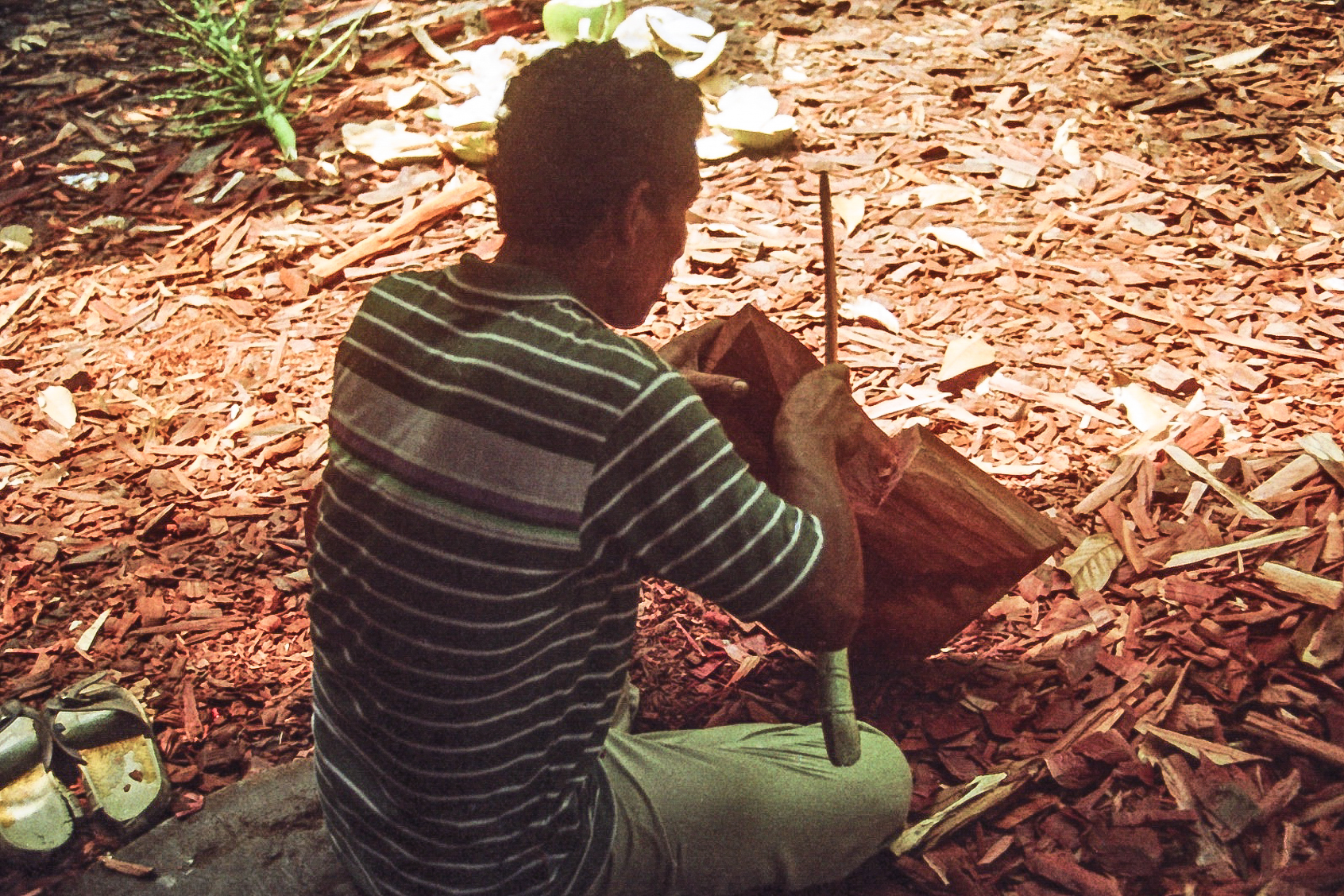
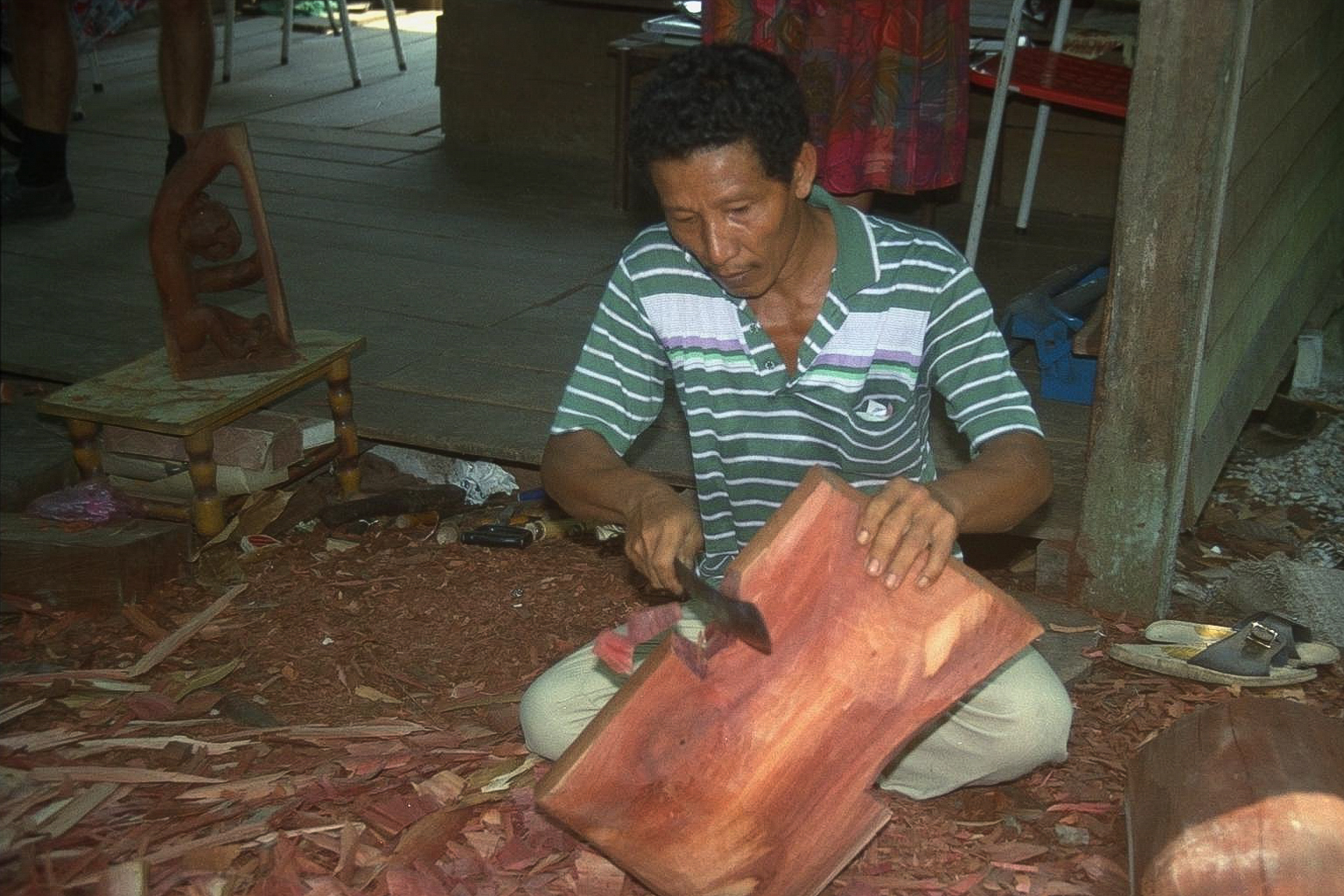
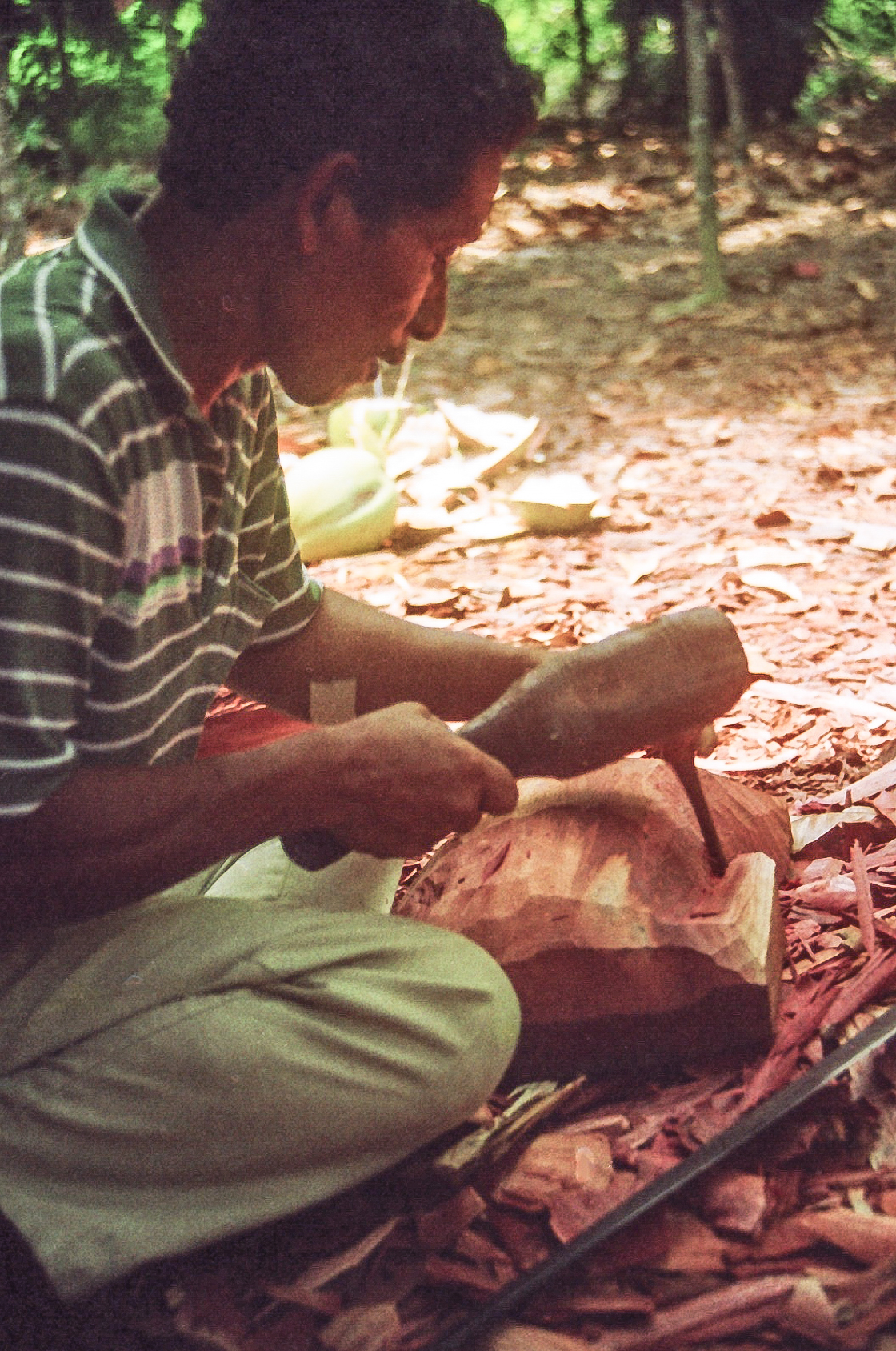
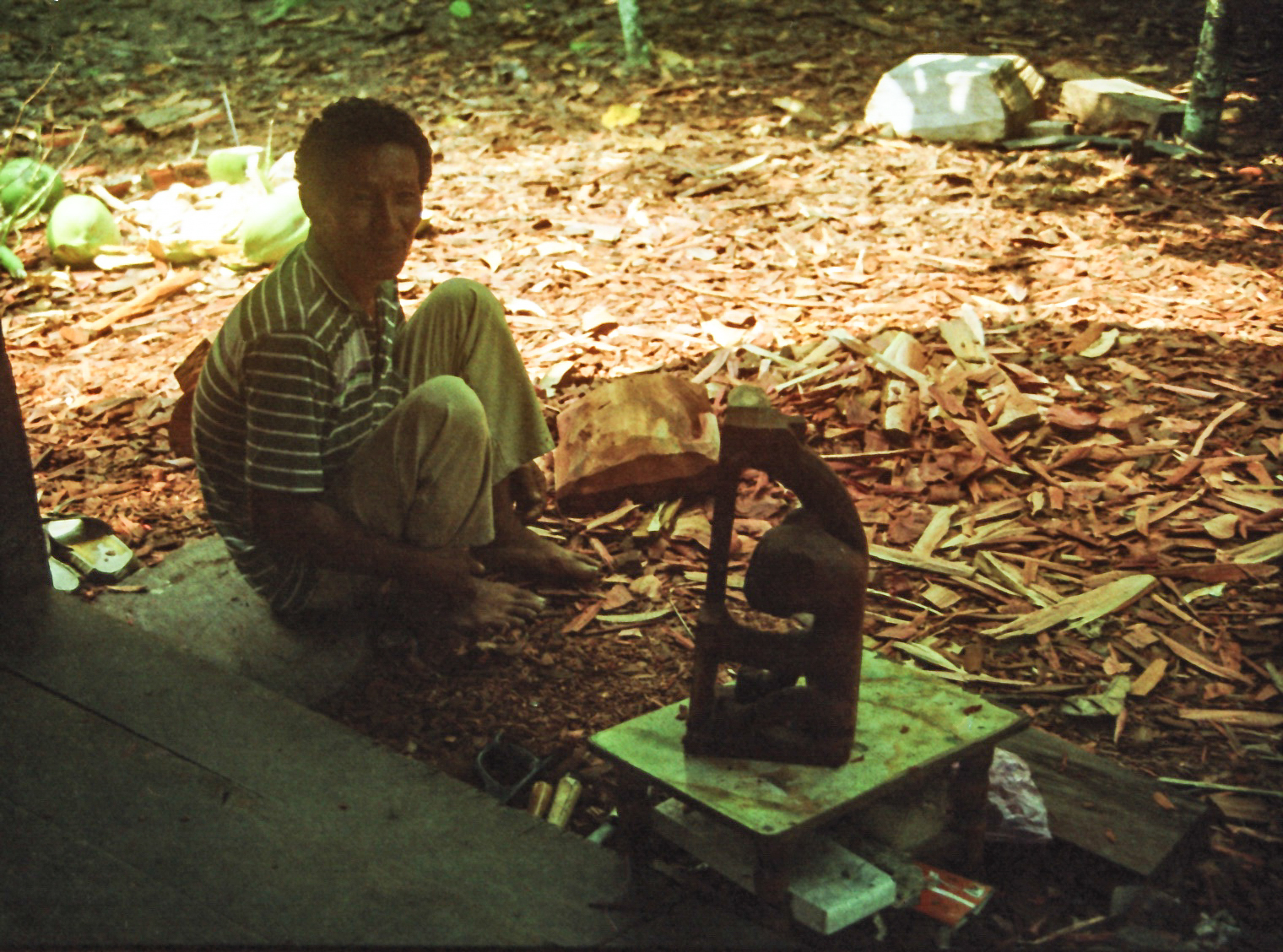
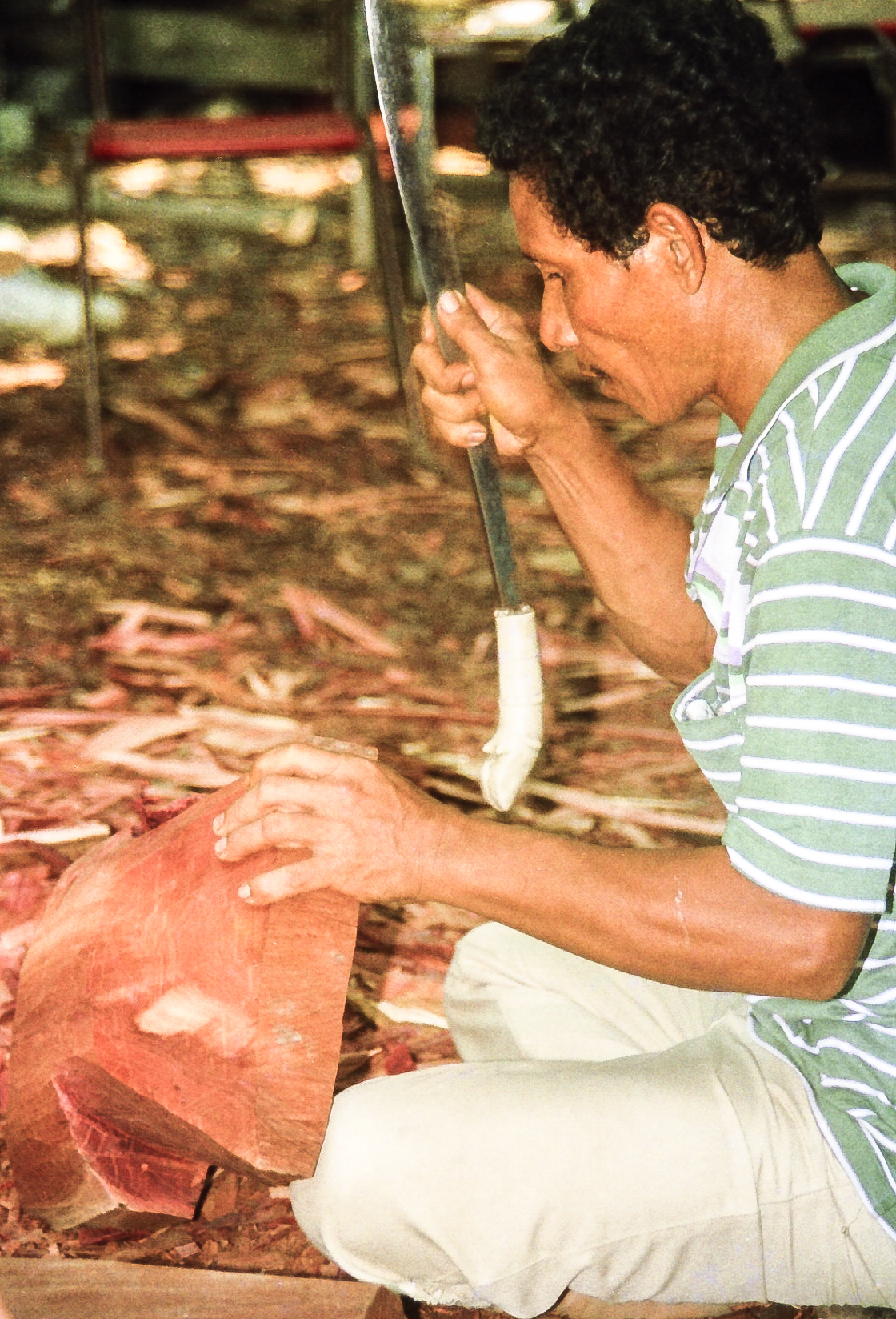
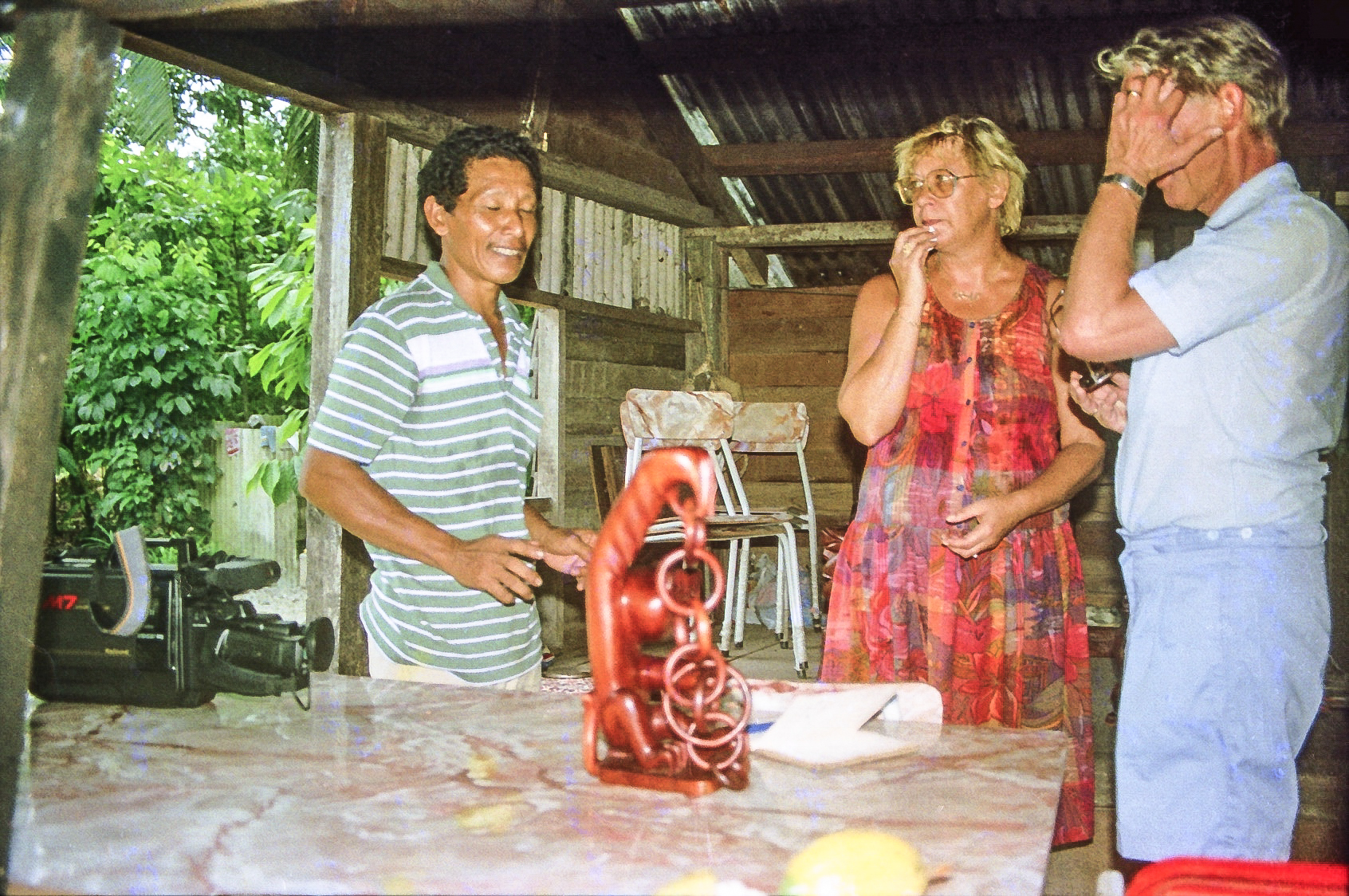
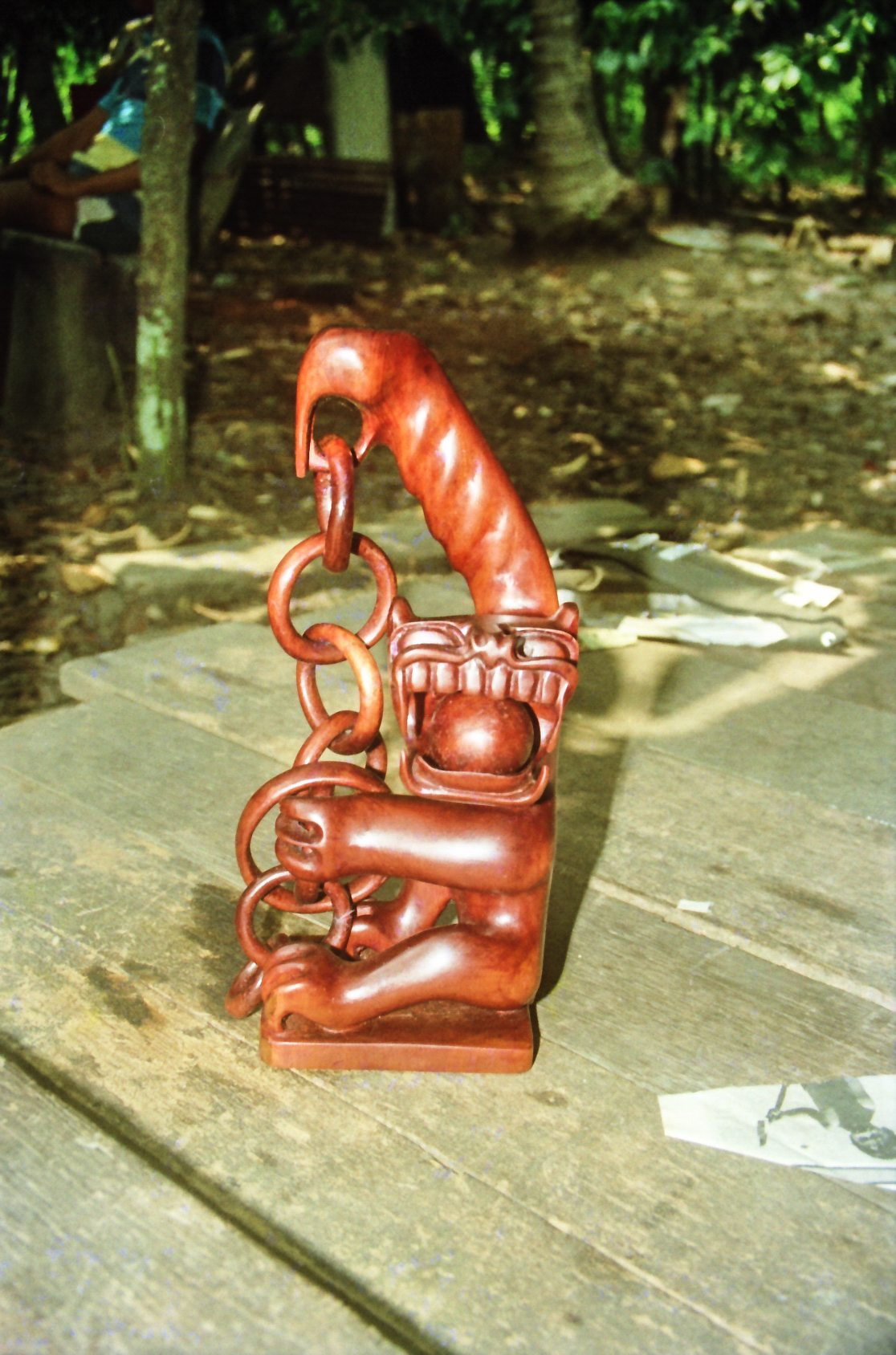
Gitte og jeg bestilte sådan en “tiger”, som den på billedet nedenfor. Det ville tage nogle uger at lave den, så vi skulle tilbage igen senere.
Tigeren, med sammenhængende ringe og en løs kugle i munden er skåret ud af et enkelt styukke træ – altså ingen sammenføjninger noget sted.
De andre bestiilte også forskellige figurer, men vores tiger er og bliver nu altså den flotteste – og dyreste.
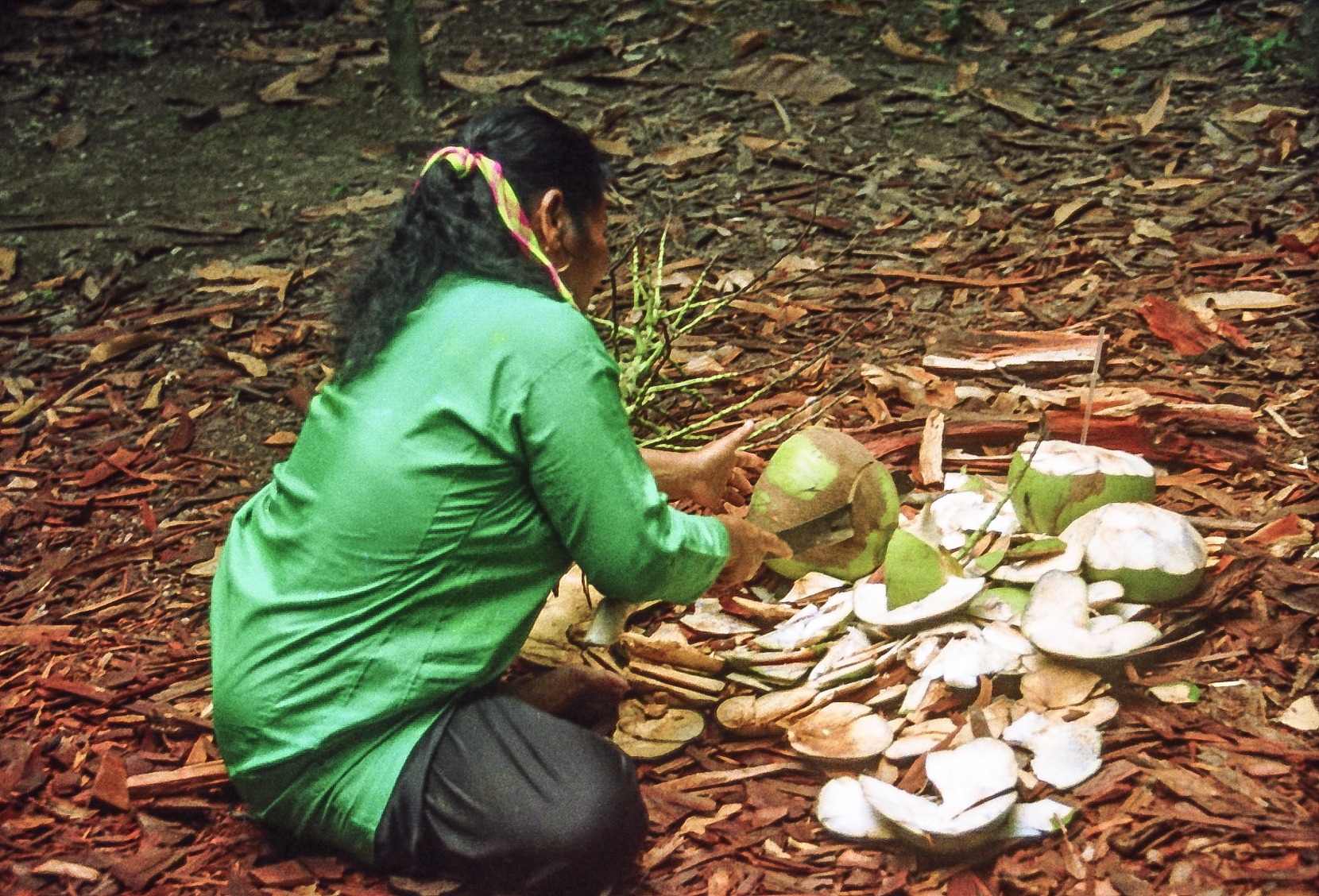
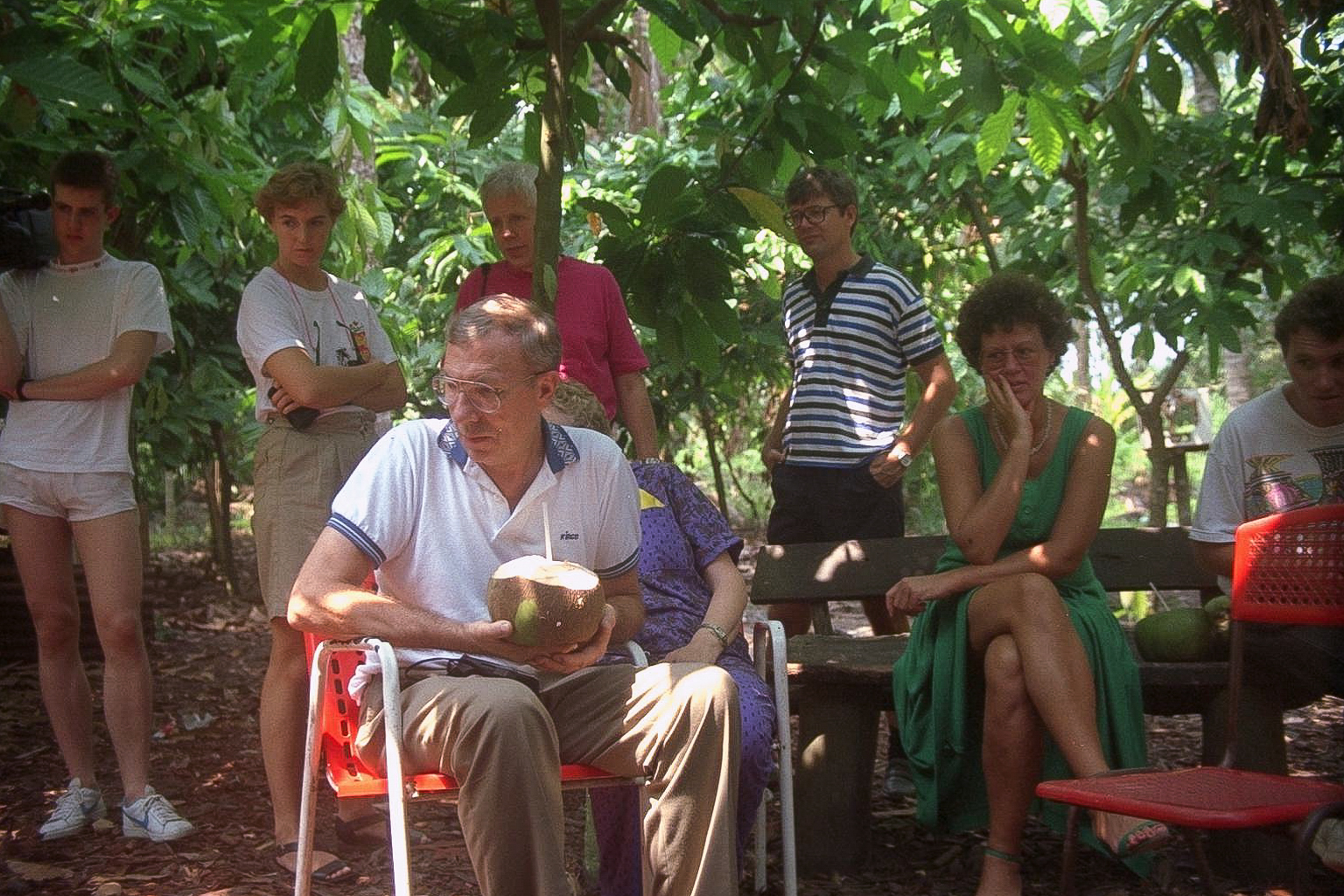
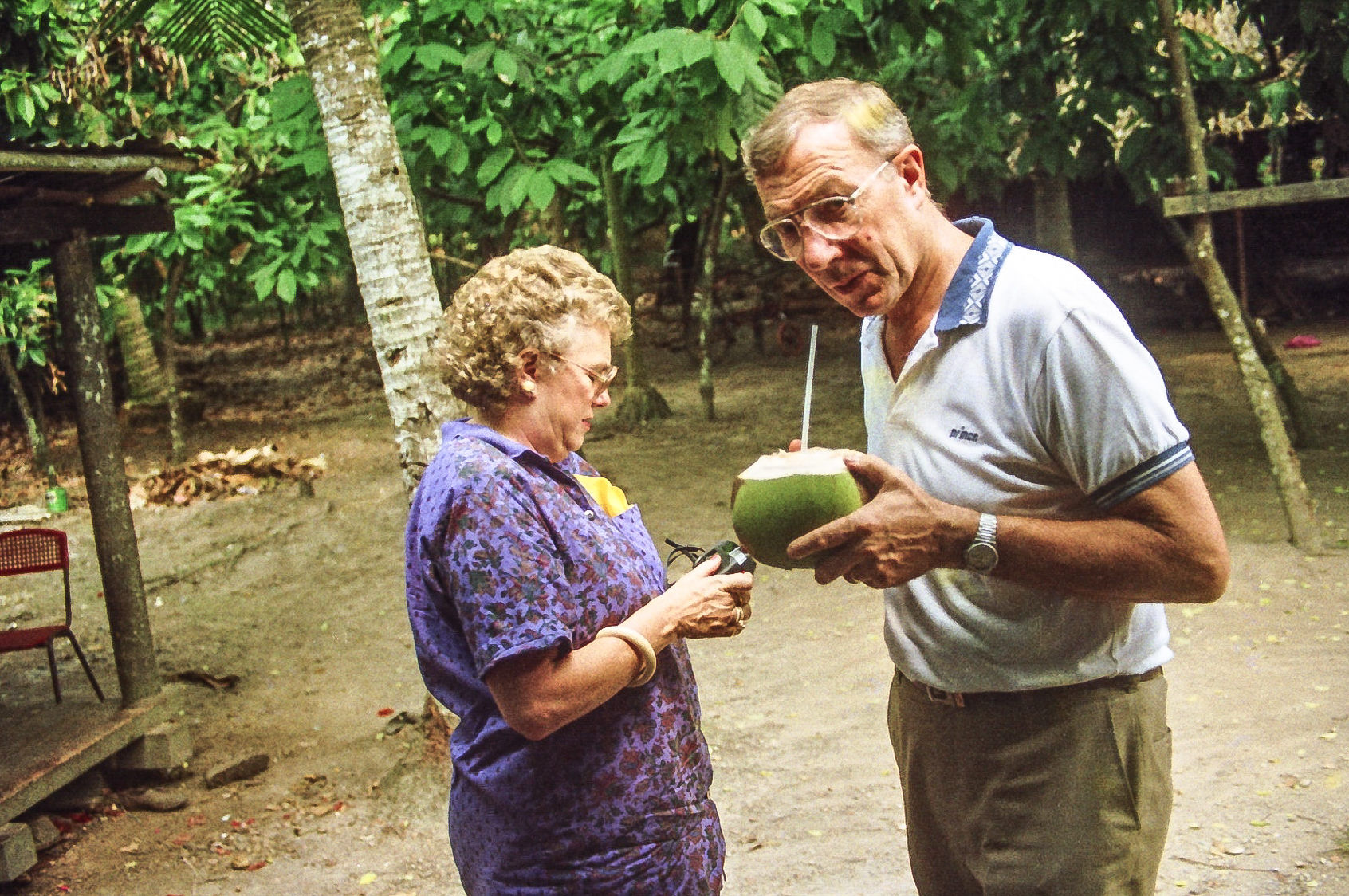
Vi blev trakteret med friske kokosnødder, som de lige klatrede op i palmen efter.
Det har aldrig lige været vores favoritdrink, men det var da en sød tanke..